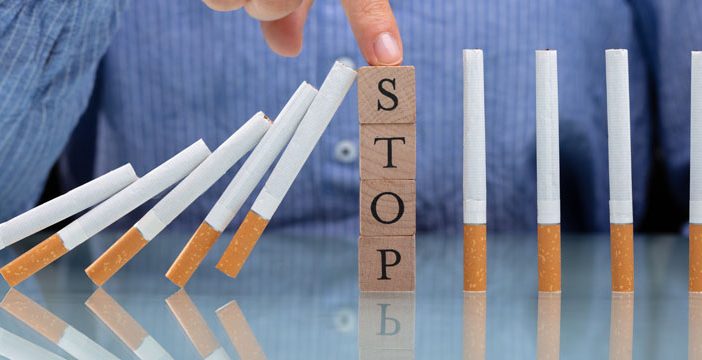
Diabetes and smoking are two conditions that make each other more difficult to manage. This ‘double hit’ greatly increases your risk of heart attacks and strokes, among many other health problems.
Articles and Blogs
High-Fibre Menu Plan

Incorporating fibre into your meal plan is a good idea, as it can help regulate your blood sugar levels and make you feel fuller longer after a meal.
How do you know when to screen for prediabetes?
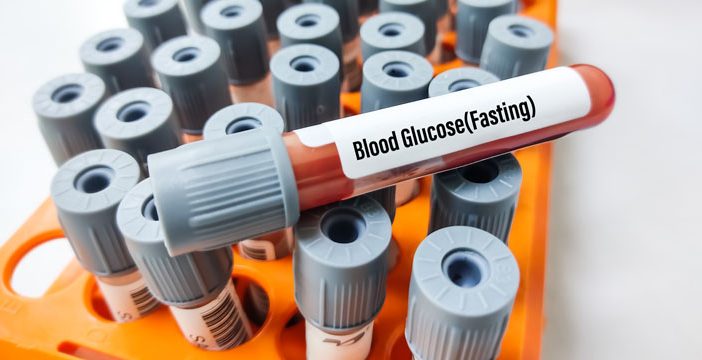
Many people with prediabetes feel completely fine, even though their blood sugar levels are already higher than they should be. Prediabetes screening is a simple but powerful way to take charge of your health before problems begin.
10 foods to avoid if you have diabetes
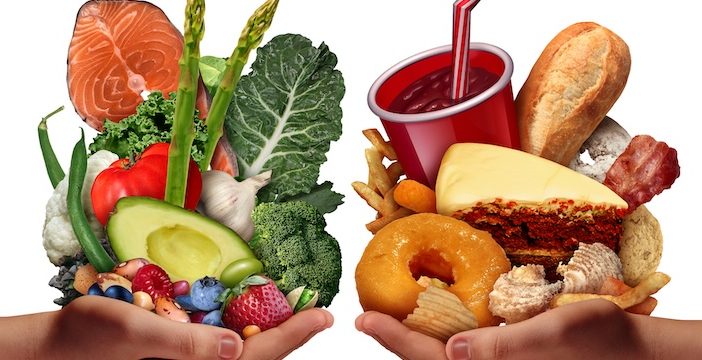
Unhealthy foods can affect your diabetes management by causing weight gain and increasing blood sugar. Read this article to learn about the 10 foods to avoid if you have diabetes.
A prediabetes exercise program can help prevent type 2 diabetes

A prediabetes exercise program can help you prevent or delay type 2 diabetes. Read about exercise programs for people with prediabetes in this expert blog.
Carbohydrate content of foods (includes printable chart)
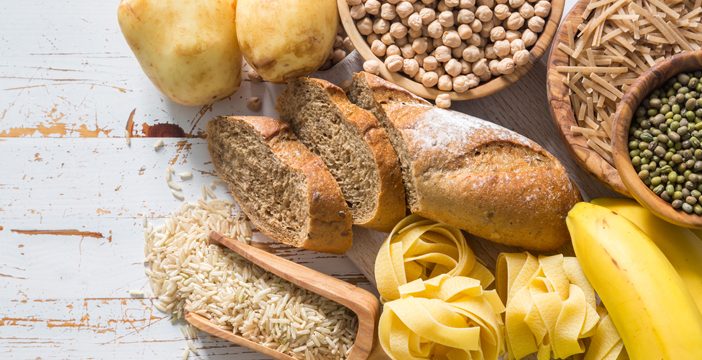
Carbohydrates are an important part of your nutrition plan, because they are one of the body’s main sources of energy. Carbohydrates also have the greatest effect on your blood sugar.