
Certain medications that are used to help manage high blood glucose (sugar) can put you at risk for low blood sugars (hypoglycemia). Hypoglycemia can be dangerous if not treated properly.
hypoglycemia
What are the short-term complications of diabetes?

Most people are aware of the long-term complications associated with diabetes, including heart disease, kidney disease, eye disease and nerve damage. However, there are short-term complications that can be dangerous and even life-threatening.
Time in range: What is it? How do we measure it? Why is it important?
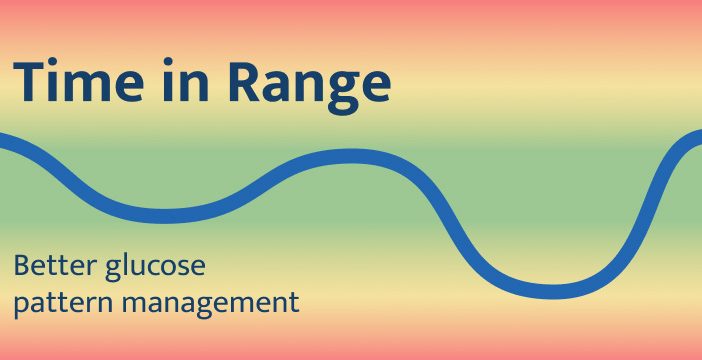
If you use continuous glucose monitoring, it’s important to know your time in range, which helps you better understand your glucose patterns. Read this expert blog to learn more about time in range.
How harmful is high blood sugar?

High blood sugar levels (hyperglycemia) can be very harmful for people with diabetes, especially when they remain elevated for long periods of time.
Insulin and hypoglycemia: are all insulins the same?
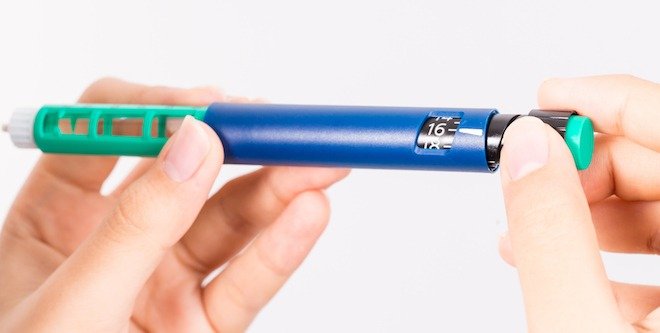
There are many different types of insulin available today; some of them may make people more prone to episodes of hypoglycemia. Read this expert blog to learn about the onset and action of insulins used to treat type 1 and type 2 diabetes.
Hypoglycemia? Variation in amount, timing, and digestion rate of carbs may be the clue.

If you live with or care for a person with diabetes, it comes as no surprise that hypoglycemia (or low blood glucose) presents a serious threat to a person’s physical health.