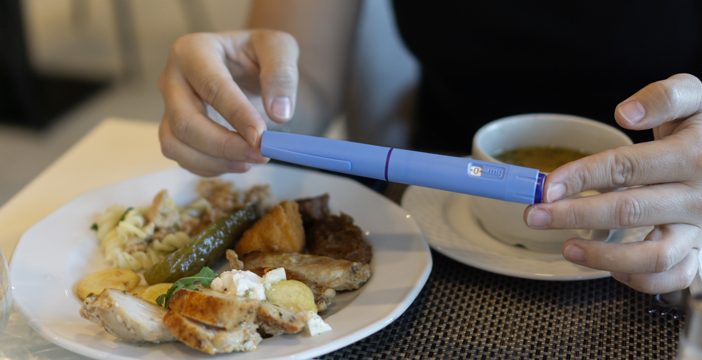
If you are taking GLP-1 medications for type 2 diabetes or weight management, knowing the foods to eat and avoid can help you get the most benefit from your treatment. Pairing these medications with a balanced, nutrient-rich eating pattern can help support blood sugar management, preserve muscle mass, reduce side effects and improve your overall health.
Article highlights
- GLP-1 medications help lower blood sugar levels and can support weight loss.
- Because these medications reduce appetite, it is important to prioritize protein, fibre, vitamins and minerals to meet your nutrition needs.
- Choosing whole, minimally processed foods and staying well hydrated may help reduce common side effects, such as nausea and constipation.
- Building balanced meals with protein, fibre-rich carbohydrates, healthy fats and plenty of vegetables can support long-term health.
What are GLP-1 medications and how do they work?
GLP-1 medications, also called glucagon-like peptide-1 receptor agonists, are prescription medications used to help manage type 2 diabetes. Some GLP-1 medications (e.g., semaglutide and liraglutide) are also approved for chronic weight management in people who meet specific medical criteria.
These medications work by mimicking the body’s natural GLP-1 hormone. They help:
- Stimulate insulin release when blood sugar levels rise
- Reduce glucagon production, which helps lower blood sugar
- Slow stomach emptying so you feel full for longer
- Reduce appetite, which can lead to eating fewer calories and losing weight
Although these effects can improve blood sugar management and support weight loss, they can also make it more challenging to eat enough nutritious foods. That’s why paying attention to what and how you eat is an important part of treatment.
Why do GLP-1 medications affect what you eat?
GLP-1 medications slow digestion and reduce appetite, so it is common to feel full sooner and eat smaller portions. While this can support weight loss and blood sugar management, it may also make it harder to get enough protein, fibre, vitamins and minerals.
If your nutrition needs are not met over time, it may contribute to:
- Fatigue
- Loss of muscle mass or strength
- Hair thinning
- Vitamin and mineral deficiencies
- Constipation
- Poor blood sugar management
What foods should you eat more often while taking GLP-1 medications?
Since you may be eating smaller portions, choose foods that provide plenty of protein, fibre, healthy fats, vitamins and minerals.
Protein-rich foods
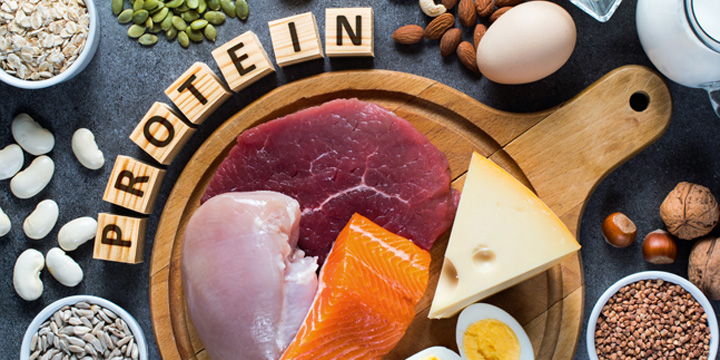
Protein is one of the most important nutrients to prioritize while taking GLP-1 medications. As you lose weight, your body can lose muscle along with body fat. Eating enough protein and staying physically active, especially with strength or resistance exercises, can help preserve muscle mass and support strength, mobility and recovery.
Aim to include a source of protein each time you eat, even if you are having a smaller meal or snack.
Healthy protein choices include:
- Beans, lentils and chickpeas
- Tofu, tempeh and edamame
- Eggs
- Fish and seafood
- Skinless chicken and turkey
- Lean cuts of meat
- Plain Greek yogurt, cottage cheese and milk or fortified soy beverage
- Unsalted nuts and seeds
Fibre-rich foods to support digestion
Fibre helps slow the absorption of carbohydrates, supports healthy blood sugar levels, promotes regular bowel movements and reduces constipation, a common side effect of GLP-1 medications.
Choose fibre-rich foods such as:
- Vegetables
- Fruits, especially berries, apples and pears
- Whole grains, including oats, barley, quinoa and brown rice
- Beans, lentils and chickpeas
- Nuts and seeds
Increase your fibre intake gradually and drink plenty of water throughout the day. Increasing fibre too quickly without enough fluids may make constipation or digestive discomfort worse.
Nutrient-rich foods
Because GLP-1 medications reduce appetite, it is important to choose foods that provide the most nutrition in smaller portions.
Build your meals around a variety of nutrient-rich foods, including:
- Colourful vegetables
- Whole fruits
- Whole grains
- Lean protein foods
- Milk, yogurt or fortified plant-based alternatives
- Healthy fats such as avocado, olive oil, nuts and seeds
Choosing a variety of foods each day can help you get the vitamins and minerals your body needs while supporting energy levels, immune function and overall health.
What foods should you limit while taking GLP-1 medications?
No foods are completely off-limits while taking GLP-1 medications. However, some foods may worsen digestive side effects or make it more difficult to meet your nutrition needs.
1. High-fat and greasy foods
High-fat or greasy foods can stay in the stomach longer, which may increase nausea, bloating, heartburn or stomach discomfort.
Try to limit foods such as:
- Deep-fried foods (French fries, fried chicken, onion rings, fried fish)
- Fast food (burgers, fried chicken sandwiches, pizza, poutine)
- High-fat processed meats (bacon, sausages, hot dogs, pepperoni)
- Rich cream-based dishes (Alfredo pasta, creamy soups, casseroles, cream sauces)
Choosing them less often and eating smaller portions may help reduce digestive discomfort.
2. Highly processed foods
Highly processed foods are often high in sodium, added sugars and unhealthy fats while providing less fibre, protein and other important nutrients.
Some examples include:
- Potato chips, tortilla chips and cheese puffs
- Candy and chocolate bars
- Cookies, doughnuts, pastries and muffins
- Instant noodles, snack cakes and frozen convenience meals
3. Foods and drinks high in added sugar
Sugary foods and drinks can cause rapid increases in blood sugar without providing lasting fullness or many nutrients.
Consider limiting:
- Regular soft drinks
- Sweetened fruit drinks and juice blends
- Regular energy drinks
- Sweetened specialty coffee beverages
- Desserts such as cakes, cookies, pastries, ice cream and candy
How can you manage common side effects through food choices?
Digestive side effects are common when starting GLP-1 medications, or after increasing the dose. They often improve as your body adjusts to the medication. The following nutrition strategies may help you feel more comfortable.
Managing common side effects
| Side effect | What can help |
|---|---|
| Nausea |
|
| Constipation |
|
| Reduced appetite or feeling full quickly |
|
| Vomiting or diarrhea |
|
*If nausea occurs, temporarily choose easy-to-digest refined carbohydrates, such as white toast, white rice or plain crackers. Return to whole grain options once your symptoms improve.
General tips to feeling more comfortable
These simple habits may also help reduce digestive discomfort while taking GLP-1 medications:
- Eat slowly and stop when you feel comfortably full.
- Avoid lying down for at least 30–60 minutes after eating.
- Drink fluids regularly between meals if large amounts of fluid with meals make you feel too full.
- Choose smaller meals more often if large meals cause discomfort.
If side effects are severe, persistent or make it difficult to eat or drink enough, speak with your healthcare provider or a registered dietitian. They can help adjust your treatment plan and recommend strategies to help you meet your nutrition needs.
How can you build balanced meals while taking GLP-1 medications?
A simple way to build balanced meals is to use the balanced Plate Method.
Aim to include:
- ½ plate: Non-starchy vegetables such as broccoli, peppers, spinach, tomatoes, carrots or salad.
- ¼ plate: Protein foods such as chicken, fish, tofu, eggs, beans, lentils or Greek yogurt.
- ¼ plate: Fibre-rich carbohydrates such as brown rice, quinoa, barley, oats, sweet potato or whole grain bread.
- Healthy fats: Add a small amount of healthy fat, such as avocado, olive oil, nuts or seeds.
If your appetite is reduced, focus on eating balanced meals in smaller portions and consider having nutritious snacks between meals if needed.
Why is hydration important while taking GLP-1 medications?
GLP-1 medications slow digestion and often reduce appetite, which may lead some people to eat and drink less than usual.
Drinking enough fluids can help:
- Prevent or reduce constipation
- Support healthy digestion
- Replace fluids lost through vomiting or diarrhea
- Maintain energy levels and overall health
Aim to drink water regularly throughout the day, even if you don’t feel thirsty. If plain water is difficult to drink, try sparkling water, herbal tea or naturally flavoured water without added sugar.
Are there specific foods or supplements you need while taking GLP-1 medications?
Most people can meet their nutrition needs by eating a balanced diet. However, because GLP-1 medications often reduce appetite, it is especially important to choose nutrient-rich foods.
Pay particular attention to getting enough:
- Protein
- Fibre
- Calcium
- Vitamin D
- Iron (when appropriate)
- Vitamin B12 (especially if you also take metformin) [https://www.diabetescarecommunity.ca/living-well-with-diabetes-articles/medication-articles/tips-for-starting-on-metformin/]
Supplements are not routinely needed for everyone. However, if you are unable to meet your nutrition needs through food alone, especially protein, your healthcare provider or registered dietitian may recommend a supplement based on your individual needs.
What are healthy meal and snack ideas?
If large meals feel overwhelming, choose smaller, balanced meals and snacks throughout the day. Aim to include a source of protein along with fibre-rich carbohydrates whenever possible.
Some breakfast options:
Some lunch options:
- Kale & Lentil Salad with Pear and Roasted Walnuts
- Chicken Ball Soup with Barley & White Beans
- Healthy Tofu Fried Rice with Edamame
Some dinner options:
Some snack options:
- Plain Greek yogurt with berries
- Cottage cheese and fruit
- Apple slices with natural peanut butter
- Roasted chickpeas
- Edamame
- Vegetables with hummus
- A small handful of unsalted nuts
When should you speak with your healthcare team?
Speak with your healthcare provider or registered dietitian if you:
- Have severe or persistent nausea, vomiting, diarrhea or constipation
- Are unable to eat or drink enough to meet your nutrition needs
- Experience rapid or unintended weight loss
- Notice signs of dehydration, such as dizziness, dark urine, or feeling faint
- Notice possible signs of a vitamin or mineral deficiency, such as unusual fatigue, weakness, pale skin, numbness or tingling, or changes to your hair, skin or nails
- Have questions about your diet, supplements or meal planning
Your 3-step action plan for eating well while taking GLP-1 medications
Step 1: Prioritize protein at every meal
Include a source of protein each time you eat to help preserve muscle mass and keep you feeling satisfied. Good choices include Greek yogurt, eggs, fish, chicken, tofu, beans, lentils, or edamame.
Step 2: Add a fibre-rich food and stay hydrated
Include at least one fibre-rich food, such as vegetables, fruit, whole grains, or legumes, with your meals. Drink water regularly throughout the day to support digestion and help prevent constipation.
Step 3: Eat smaller, balanced meals that fit your appetite
If large meals feel uncomfortable, eat smaller meals or nutritious snacks every three to four hours. Aim to include protein, fibre-rich carbohydrates, healthy fats and vegetables whenever possible. Listen to your body’s hunger and fullness cues—and eat slowly to help reduce nausea and improve comfort.
Remember that there are no “perfect” foods or completely off-limit foods. Focus on building balanced meals, staying hydrated, and making food choices that work for your appetite and lifestyle.
If you are struggling to eat enough, experiencing ongoing side effects, or have questions about meeting your nutrition needs, speak with your healthcare provider or a registered dietitian.