Managing diabetes can be a complex and challenging process, but one of the key pillars for successful management lies in adopting a healthy and balanced diet. In this section, we will guide you through the essential principles of diabetes-friendly nutrition, providing you with practical tips and expert recommendations to help you make informed choices in your everyday eating.
Introduction to healthy eating
A healthy diet is one of the best tools for managing diabetes. Healthy eating for people with diabetes is not much different than healthy eating for any other person.

Type 2 diabetes meal planning
Discover how healthy eating can help people with type 2 diabetes meet diabetes management targets. Find out how a diabetes meal plan and food portion control can help you eat well and live well. Learn what foods should be added to your meal plan and which foods should be limited to promote healthier eating.

Setting nutrition goals
Setting goals for healthy eating doesn’t have to happen all at once. In fact, if you set and achieve a goal each day – or each week – you’ll have something to celebrate! Think about taking small, manageable steps at every meal.

Carbohydrates are important in diabetes management
It’s important to include carbohydrates in your daily meal plan, and always record and monitor the amount and type of carbohydrate that you eat. This will help ensure that you get the right nutrients to maintain your good health!
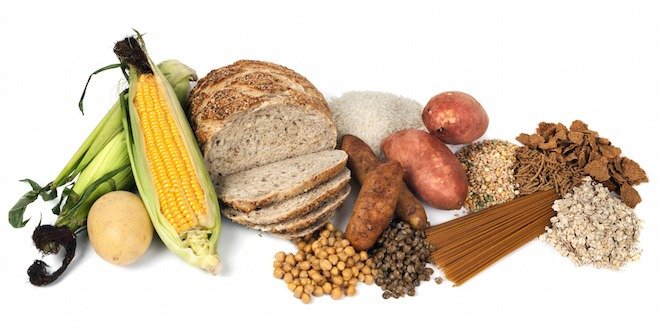
Foods that help stabilize spikes and dips in your blood sugar
In managing diabetes, it’s essential to avoid major fluctuations (dips and spikes) in your blood sugar, which can be taxing on the body and lead to future health complications. Fortunately, you can help control blood sugar with diet, as there are foods that help stabilize blood sugar and foods that spike it. Let’s look at some ways you can help keep your blood sugar in check via the right meal and snack choices throughout the day.
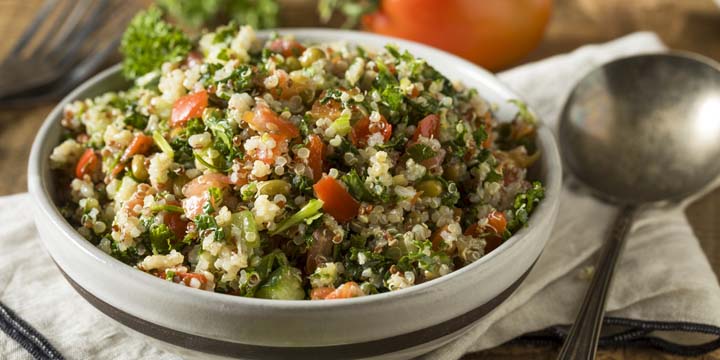
Nutrition Planning Articles
 Protein Coffee for Diabetes: Benefits, Safety and Smarter ChoicesProtein coffee has grown in popularity on social media, leaving many people wondering whether it is a good beverage choice. Read on to learn more about protein coffee, and how it can affect people living with diabetes. We answer some frequently asked questions about protein coffee and how it can fit into a balanced diet.
 Halloween tips for people with diabetesJust because Halloween is synonymous with sugary treats doesn’t mean children (and adults) with diabetes can’t celebrate in some ghoulish fun. Here are some tips to help you and your loved ones celebrate Halloween without sending blood sugar levels out of whack.
 Pineapple and Blood Sugar: What’s the Healthiest Way to Eat It?Pineapple is a tropical fruit that contains a wide variety of nutrients, including vitamin C, manganese, fibre and bromelain, which is a digestive enzyme. However, pineapple commonly gets a bad reputation due to its high sugar content, leaving those with diabetes unsure about how or even whether they should eat it.
 Diabetes and dried fruitDried fruit is fruit that has had almost all of its water content removed. The fruit shrinks during the drying process, making it much more calorie- and carbohydrate-dense than fresh or canned fruit.
 Best sweeteners for diabetesWith many sugar alternatives to choose from, this article will give you a taste of the best sweeteners for diabetes.
 Unscrambling 4 myths about diabetes and eggsIt was once thought that eggs were not considered part of a healthy diet. We now know from lots of research that this is not true. Eggs are an important food to include in your diabetes healthy eating plan.
 Facts you should know about chia seedsChia seeds are tiny black seeds from a plant called Salvia hispanica, which is related to mint.
 Diabetes and tomatoes – which tomato products are the healthiest?From fresh tomatoes to ketchup and tomato sauce, there are many ways to enjoy tomatoes, especially when they are in season. But when it comes to diabetes and tomatoes, are some choices healthier than others?
 Carbohydrate content may differ in the same types of foodsCarbohydrates are the macronutrient that the human body requires in the largest amounts. This is because carbohydrates are the body’s main source of fuel, and are needed for organs and tissues to function properly.
 10 foods to avoid at breakfastDid you know that some breakfast foods can be downright detrimental to your blood sugar levels first thing in the morning when you have diabetes?