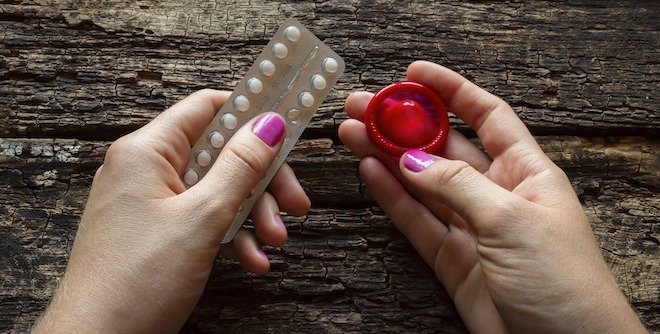
Managing diabetes doesn’t just affect your day-to-day blood sugar—it also plays an important role in your reproductive health. Taking control of when and if you become pregnant can help you stay healthier and reduce risks for both you and your future baby.
Article highlights
- Plan your pregnancy safely: stable blood sugar lowers risks for you and your baby
- Choose the right birth control: match your contraceptive method to diabetes, lifestyle, and risks
- Know your options: the chart below shows hormonal vs non-hormonal methods and their effectiveness
- Protect your heart: avoid estrogen methods if vascular risk is higher
- Prevent surprises: reliable contraception helps avoid high-risk, unplanned pregnancy
Why birth control matters in diabetes
- Birth control is an important issue for a woman with diabetes, as there are greater risks to the woman and her baby if the pregnancy is unplanned. Blood sugar control before conception and early in pregnancy has a major impact on outcomes. Knowing the options and choosing the best birth control method is critical to ensure good reproductive health. Our chart below helps you quickly see contraceptive options that are available.
Keep in mind that birth control effectiveness is often based on how contraceptives are used:
- Typical use reflects how a method works in real life when people occasionally forget pills, take them late, or don’t use the method exactly as directed every time.
- Perfect use shows how effective the method is when it’s used exactly as prescribed, consistently and correctly every single time.
Types of contraception (hormonal vs. non-hormonal)
The following contraceptive options should be considered for women who have diabetes.
Hormonal methods
Oral contraceptives (birth control pill)
The oral contraceptive pill is a common and effective form of birth control when taken correctly. With typical use, about nine out of 100 people may become pregnant in the first year, compared with fewer than one out of 100 with perfect daily use. The pill is reversible, does not interfere with sex, can regulate periods, reduce cramps and premenstrual symptoms (PMS), and lowers the risk of some cancers. However, it must be taken every day at the same time, can cause side effects (e.g., nausea, headaches or irregular bleeding), may interact with some medications, and does not protect against sexually transmitted infections.
Contraceptive patches
This small thin patch that sticks onto the skin, is an effective and reversible birth control option when used correctly. With typical use, about 90 out of 1,000 people may become pregnant in the first year, compared with three out of 1,000 with perfect use. It is easy to use, does not interfere with sex, helps regulate periods, may reduce cramps and menstrual symptoms, and can lower the risk of certain cancers. However, it may cause side effects such as irregular bleeding, breast tenderness, nausea, headaches, or skin irritation. It may also be less effective in people who weigh over 90 kg, and does not protect against sexually transmitted infections.
Vaginal rings
Vaginal rings are designed for self-insertion and removal. The ring is held in place by the vaginal walls, and the exact position in the vagina is not critical for effectiveness. The ring is worn for three consistent weeks. With typical use, about 90 out of 1,000 people may become pregnant in the first year, compared with three out of 1,000 with perfect use. When a woman stops using the ring, her body resumes its normal cycle and fertility returns quickly. The ring does not cause weight gain or increase the risk of vaginal infections. However, it does not protect against sexually transmitted infections.
Injectable contraception (e.g., Depo Provera®)
Injectable contraception (the birth control shot) is a highly effective, long‑acting method of birth control. With typical use, about six out of 100 people may become pregnant in the first year, and with perfect use this drops to fewer than one out of 100. It is convenient, discreet, does not interfere with sex, and may stop periods or reduce cramps and PMS. However, it must be given by a healthcare provider every three months, can initially cause irregular bleeding, may be associated with weight or mood changes in some people, can delay return to fertility after stopping, and does not protect against sexually transmitted infections.
Hormonal IUD
The hormonal IUD (levonorgestrel‑releasing intrauterine system) is one of the most effective and long‑acting birth control options. Fewer than one out of 500 people become pregnant in the first year with either typical or perfect use. It works for several years, is easy to forget once inserted, and often makes periods lighter or stop altogether while reducing cramps and menstrual symptoms. Some people may have irregular spotting at first and mild discomfort during insertion, but it does not need daily attention and does not protect against sexually transmitted infections.
Non-hormonal methods
Intrauterine contraception
The copper IUD is a highly effective, long‑acting, hormone‑free birth control option. Fewer than one out of 125 people become pregnant in the first year of use, and it works for many years once inserted. It is easy to forget, reversible, and can also be used as emergency contraception if placed within seven days of unprotected sex. Some people may have heavier or more painful periods, especially at first, and brief discomfort during insertion. It does not affect hormones and does not protect against sexually transmitted infections.
Barrier methods
The diaphragm and male condom are both hormone‑free barrier methods of birth control, but they are less effective than many other options, especially with typical use. The diaphragm has a higher failure rate and requires correct placement and use with gel every time, while condoms are more effective with perfect use but depend on use at each sexual encounter. Condoms are widely available and are the only method that protects against most sexually transmitted infections, whereas diaphragms do not. Both options require preparation at the time of sex, which can affect consistency and effectiveness.
How hormonal birth control affects blood sugar
For people with diabetes, most birth control options—including the pill, patch, vaginal ring, injection and hormonal IUD—can be used safely, but there are a few important considerations. Hormonal birth control methods can cause small changes in blood sugar levels in some people, especially when starting or swithcing methods. Closer glucose monitoring during this time may be helpful. The injectable (birth control shot) does not interact with diabetes medications and is very effective, but it may be linked to weight gain or changes in periods, which can indirectly affect blood sugar levels for some individuals. Non‑hormonal birth control methods (e.g., condoms, copper IUDs, diaphragms) do not affect insulin, insulin resistance, or blood glucose levels, making them good options for people with diabetes who want contraception without any impact on glucose control.
Across all options, a key benefit of birth control for people with diabetes is that it helps prevent unplanned pregnancy. This is key given that good blood sugar control before becoming pregnant greatly reduces risks for both the parent and baby. The ideal birth control choice depends on an individual’s blood sugar control, other health conditions, lifestyle and personal preferences, and should be discussed with their diabetes care team.
The following chart compares the effectiveness, benefits and important considerations for each type of birth control to help you decide which option may be right for you.
Birth control methods: typical vs. perfect use
Effectiveness can vary depending on whether a method is used exactly as directed every time. This comparison also highlights possible considerations for blood glucose management.
Birth control pill
Hormonal- Impact on blood glucose
- May cause slight changes initially
- Key advantage
- Regulates periods, easy to stop
- Key consideration
- Must take daily, at the same time
Contraceptive patch
Hormonal- Impact on blood glucose
- May cause slight changes initially
- Key advantage
- Weekly use, easy to apply
- Key consideration
- Skin irritation; less effective over 90 kg
Vaginal ring
Hormonal- Impact on blood glucose
- Minimal to mild impact
- Key advantage
- Monthly routine, low maintenance
- Key consideration
- Must remember insert and remove schedule
Injection (Depo-Provera)
Hormonal- Impact on blood glucose
- May increase insulin resistance in some people
- Key advantage
- Long-acting, about 3 months
- Key consideration
- Possible weight gain, delayed fertility
Hormonal IUD
Hormonal- Impact on blood glucose
- Minimal systemic impact
- Key advantage
- “Set it and forget it” for years
- Key consideration
- Requires insertion procedure
Copper IUD
Non-hormonal- Impact on blood glucose
- No impact
- Key advantage
- Hormone-free, long-lasting
- Key consideration
- Heavier periods initially
Condoms
Non-hormonal- Impact on blood glucose
- No impact
- Key advantage
- STI protection
- Key consideration
- Must use every time
Diaphragm
Non-hormonal- Impact on blood glucose
- No impact
- Key advantage
- Hormone-free, reusable
- Key consideration
- Requires prep before sex
Quick takeaway
Contraception methods such as IUDs and injections work best for many people with diabetes because they remove daily decision-making—helping keep effectiveness high and reducing the risk of unplanned pregnancy.
Safety and risk considerations
When choosing contraception, cardiovascular and vascular risk is an important consideration for people with diabetes, as diabetes itself increases the risk of high blood pressure, blood clots, heart disease and stroke. Estrogen‑containing methods (combined pill, patch, vaginal ring) can further increase the risk of blood clots and may not be recommended for individuals with additional risk factors such as long‑standing diabetes, smoking over age 35, hypertension, obesity, migraine with aura, or established vascular complications (e.g., nephropathy or retinopathy). Progestin‑only methods (hormonal IUD, progestin‑only pill) and non‑hormonal options (copper IUD, condoms) do not increase clot risk and are generally considered safer choices for people with higher cardiovascular risk. Long‑acting reversible contraception (LARC), such as IUDs (hormonal or copper), is often preferred because it offers very high effectiveness without added heart or vascular risk and does not rely on daily adherence.
Choosing the right option with your healthcare provider
Some diabetes medications, such as metformin and thiazolidinediones (TZDs), can increase fertility in some women, which means pregnancy may happen more easily than expected. Because of this, it’s important to use reliable birth control if pregnancy is not planned. Regardless of the method chosen, planning ahead is key. Before becoming pregnant, talk to your healthcare team about optimally managing your blood sugar levels, starting folic acid supplementation, stopping medications that may be harmful in pregnancy, and addressing weight-related concerns to help support the best possible outcomes for you and your baby.
Your 3-step action plan
Step 1: Do a quick pregnancy plan check today. You’ll gain clarity fast.
Step 2: Try one reliable method of birth control consistently this week—see options above.
Step 3: Set a routine to review sugars monthly and track changes to help you stay in control long-term.
Choosing the right birth control when you have diabetes is about finding a method that fits your health, lifestyle and future plans. With the right support and a bit of planning, you can protect your health now while setting yourself up for a safer, healthier pregnancy when the time is right.