
Everything you need to know about diabetes management is in this section. Together with your health care team and information found here you’ll have the tools to maintain your health. You will also find information here about diabetes complications.
Managing type 1 diabetes:
Type 1 diabetes is a life-long condition that requires proper management, including diet, medications, lifestyle choices, doctor visits, and monitoring the disease for complications. As such, managing type 1 diabetes can be challenging to both those who have it and the people who care for them.
Type 1 diabetes is managed with:
- Insulin replacement through lifelong injections or use of an insulin pump
- Regular monitoring of blood glucose levels and a good understanding of the what the values means
- Learning the symptoms of high and low blood sugar and how to manage both
- Following a healthy diet and eating plan
- Engaging in regular physical activity
- Keeping blood glucose levels as close to target range as possible
- Effective communication and follow-ups with your diabetes healthcare team
Managing type 2 diabetes:
The aim of management of type 2 diabetes is to keep blood sugar levels as close to the target range as possible, to prevent both short and long-term complications. While much of the day-to-day work comes from you, your healthcare team (doctor, specialists, dietitian, and pharmacist) are essential in proper management of your diabetes.
Tips to help manage type 2 diabetes include:
- Take your medications as prescribed
- Maintain a healthy and balanced diet, including non-starchy vegetables, fruits, whole-grains, and lean proteins. Avoid unhealthy fats, sugars, processed foods and simple carbohydrates.
- Achieve and maintain a healthy weight
- Engage in exercise daily
- Monitor your blood sugar and/or blood pressure at home, as indicated by your doctor
- Understand the potential complications from diabetes, and how to prevent and manage them
- Gain support from your family, friends, or community/online support groups
Managing blood sugar:
A main priority for people living with diabetes is managing blood sugar. It is important to ensure your blood sugar levels are within target, and to avoid both hypoglycemia and hyperglycemia.
It is important to check your blood sugar level, because it will:
- Determine if you have high or low blood sugar at a given time
- Show you how lifestyle, foods, exercise and medication affect your sugars
- Help you and your healthcare team make lifestyle and medication changes
Managing complications:
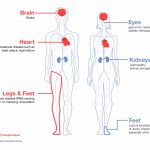
It takes work to get your diabetes under control, but it is definitely worth it. If diabetes is left untreated or improperly managed, diabetes can lead to several different complications.
Diabetes can affect nearly every organ in your body, including the:
Diabetes Management Articles
 Understanding insulin sensitivity and why it matters for diabetes managementInsulin sensitivity plays an important role in blood sugar management. When your body responds well to insulin, glucose can move more efficiently from your bloodstream into your cells for energy.
 Fast-acting carbohydrates for hypoglycemia: A practical guide for Canadians living with diabetesCertain medications that are used to help manage high blood glucose (sugar) can put you at risk for low blood sugars (hypoglycemia). Hypoglycemia can be dangerous if not treated properly.
 Hearing loss: causes, types and diagnosisHearing loss is defined as the reduced ability to hear sounds. It can occur at any age and can happen gradually or very suddenly. The symptoms of hearing loss may be mild, moderate or severe.
 Living Alone with Diabetes: Smart, Practical TipsLiving alone with diabetes? Here are some smart ways to stay as healthy as possible and avoid medical complications.
 What are the short-term complications of diabetes?Most people are aware of the long-term complications associated with diabetes, including heart disease, kidney disease, eye disease and nerve damage. However, there are short-term complications that can be dangerous and even life-threatening.
 Diabetes and smoking—what you need to knowDiabetes and smoking are two conditions that make each other more difficult to manage. This 'double hit' greatly increases your risk of heart attacks and strokes, among many other health problems.
 Diabetes, heart disease and stroke – the important connection you need to know aboutHeart disease and stroke are common complications of diabetes. In fact, people with diabetes are twice as likely to have a heart attack or stroke than those who don’t have the condition.
 Why is it important to manage my blood glucose?Having too much, or too little, sugar (glucose) in your blood will cause health problems in the short-term and even bigger issues over a longer stretch of time. When you have diabetes, it’s essential to consistently manage your blood glucose levels to avoid health complications down the road.
 Diabetes and skin complicationsMany people are surprised to learn that skin issues are among the potential complications related to diabetes. Yet one in three people with diabetes will experience a skin issue that is either caused by or affected by diabetes.
 How harmful is high blood sugar?High blood sugar levels (hyperglycemia) can be very harmful for people with diabetes, especially when they remain elevated for long periods of time.