If you have diabetes, keeping your blood pressure in target range is one of the most powerful ways to protect your heart, kidneys, eyes and brain. High blood pressure (hypertension) often has no symptoms—but it significantly increases your risk of complications when combined with diabetes.
Article Highlights
- Lower BP to <130/80 to cut heart, kidney and stroke risk in diabetes
- Use 7-day home monitoring to get accurate, actionable readings
- Track trends—not single numbers—for smarter treatment decisions
- Combine sodium reduction + fibre + activity to lower BP and glucose
Why does blood pressure control matter more when you have diabetes?
When diabetes and high blood pressure occur together, they accelerate damage to:
- Blood vessels
- Kidneys (chronic kidney disease risk)
- Heart (heart attack, heart failure)
- Brain (stroke)
According to Hypertension Canada, tighter blood pressure control in people with diabetes significantly lowers the risk of cardiovascular events and kidney disease progression.
What is your target blood pressure if you have diabetes?
Based on the latest Hypertension Canada recommendations:
- Target: Less than 130/80 mmHg (for most adults with diabetes)
Some individuals may have personalized targets depending on age, frailty, or other conditions—so individualization with your healthcare provider is key.
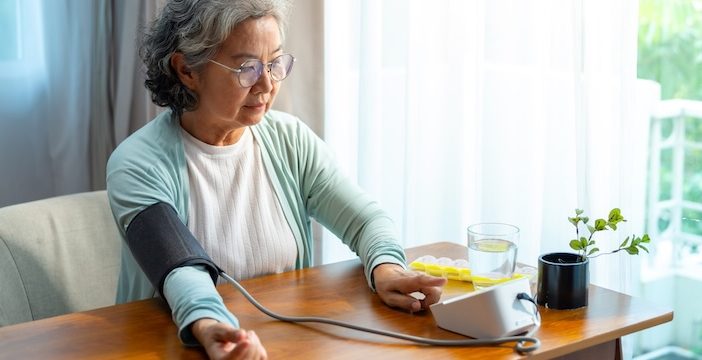
How should you measure blood pressure at home accurately?
Home monitoring is strongly recommended because it:
- Gives a more accurate picture than clinic readings
- Helps detect “white coat” hypertension (blood pressure that is elevated in a clinical setting but normal when measured at home, often due to anxiety during medical visits.)
- Supports treatment adjustments
Follow these updated best practices:
Before measuring
- Avoid caffeine, exercise, smoking for 30 minutes
- Empty your bladder
- Sit quietly for 5 minutes
During measurement
- Sit with back supported, feet flat
- Keep arm at heart level
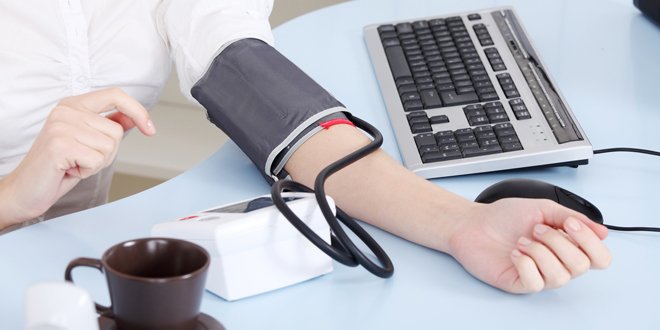
- Use a properly sized upper-arm cuff
- Do not talk
How often should you check?
- Take 2 readings in the morning and 2 in the evening
- Measure for 7 consecutive days before appointments
- Discard day 1 readings and average the rest
(This “7-day home monitoring protocol” is recommended by Hypertension Canada.)
Which blood pressure monitor should you choose?
Choose a device that is:
- Clinically validated (look for Hypertension Canada endorsement)
- Upper-arm (more accurate than wrist devices)
- Automatic and easy to use
Before buying a blood pressure monitor, get advice from the diabetes team. Ask a pharmacist to help you choose the type that is right for you, and that has the right size of cuff for your arm. Click here for a list of blood pressure monitors recommended by Hypertension Canada.
What do your blood pressure numbers mean?
- Normal: Below 130/80 mmHg
- Elevated: Above target — may need lifestyle or medication changes
- Urgent: ≥180/120 mmHg — seek immediate medical care
Tracking trends over time is more important than one single reading.
What lifestyle changes help lower blood pressure and blood sugar?
The same habits improve both:
- Reduce sodium (aim for ~2000 mg/day or less)
- Eat more fibre-rich foods (like oats, vegetables, legumes)
- Stay physically active (150 minutes/week)
- Maintain a healthy weight
- Limit alcohol
- Manage stress and sleep
Soluble fibre (like beta-glucan in oats) can modestly improve both cholesterol and blood pressure—making it a smart addition to a diabetes-friendly diet.
When should you talk to your healthcare provider?
Reach out if:
- Your readings are consistently above 130/80
- You feel dizzy or lightheaded
- You notice large fluctuations
Your 3 Quick Steps to Steady Blood Pressure Today
Step 1:
Do one seated BP reading now after 5 minutes rest. You’ll spot your baseline immediately.
Step 2:
Try 2 morning + 2 evening readings daily this week. You’ll see clearer patterns fast.
Step 3:
Set a weekly log to track BP + glucose trends. You’ll likely improve control sooner.
Monitoring your blood pressure at home is one of the simplest, most powerful steps you can take to protect your health with diabetes. When you track consistently and act early, you give yourself a clear advantage in preventing serious complications. Small, steady habits truly add up.