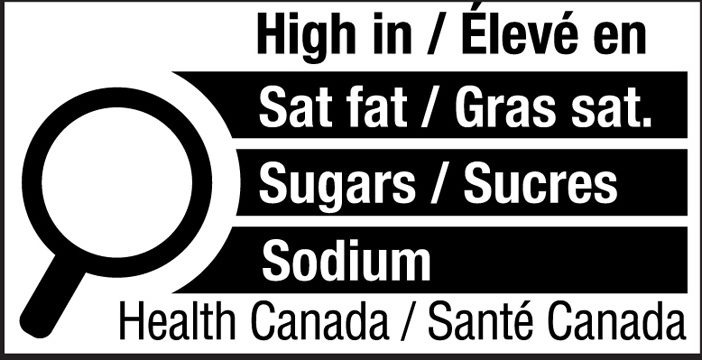
When grocery shopping, you may have seen the ‘high in’ black and white symbol with the magnifying glass that has been added to many Canadian packaged foods. Introduced by Health Canada, these front-of-package labels aim to quickly flag foods that are high in sugars, saturated fats and salt, which can be detrimental, especially if you have diabetes. Let’s find out how to properly interpret these labels to make the best decisions for your diabetes diet.
Article Highlights
- Spot “high in” labels fast to make smarter diabetes-friendly grocery choices
- Avoid blood sugar spikes by limiting high sugar packaged foods and drinks
- Lower heart and kidney risk by cutting high sodium and saturated fat foods
- Decode labels quickly and choose balanced foods for better blood sugar control
- Make healthier swaps to improve daily diabetes management without restriction
What does it mean when a food has a ‘high in’ label on it?
In Canada as of January 2026, most prepackaged foods must display a “high in” symbol if they contain 15% or more of the Daily Value (DV) for saturated fat, sugars or sodium per serving (or 30% DV for foods typically consumed in larger amounts, such as frozen entrees, pizzas, burritos etc.).
The goal of this labelling is to provide a quick visual cue that a food may contribute to excess intake of these nutrients. This is especially important for people with diabetes, as high intakes of sugars, sodium and saturated fat are linked to an increased risk of heart disease and other diabetes-related complications.
This labelling system is part of a broader push by Health Canada to help Canadians make more informed, at-a-glance decisions in the grocery aisle.
Which ‘high in’ sugar foods should you watch out for most?
Limiting foods with ‘high in’ sugars labels is especially important when trying to optimally manage your blood sugar levels. These typically appear on:
- Sugary drinks (soda pop, fruit drinks, sweetened coffees)
- Desserts and baked goods
- Sweetened cereals and snack bars
- Flavoured yogurts and dairy desserts
Overconsumption of these foods can lead to frequent blood sugar spikes and make it harder to keep blood sugar levels in check. Limiting sugar-charged foods is important not just for blood-sugar control, but to help reduce the risk of complications linked to unmanaged diabetes (i.e., heart and eye issues, kidney disease, etc.).
If a product has a ‘high in’ sugars label and isn’t a whole food (i.e., fruit, milk), consider consuming it as an occasional treat only.

Which ‘high in’ sodium foods can worsen diabetes complications?
Sodium is another often overlooked but essential ingredient to consider when choosing diabetes-friendly foods. Excess salt intake is linked to increased blood pressure, which can put you at risk of complications such as kidney disease and heart issues.
Common foods high in sodium include:
- Processed meats (e.g., deli meats, sausages) and cheeses
- Canned soups and ready meals
- Frozen entrees
- Salty snacks (e.g., chips, pretzels)
- Store-bought sauces and salad dressings
- Instant noodles and boxed meal kits
- Packaged breads
Why should you limit foods that are high in saturated fat?
Saturated fat plays a direct role in cardiovascular risk, which is already elevated in people with diabetes. Foods that often carry this label include:
- Fatty cuts of meat
- Full-fat dairy products
- Full-fat mayonnaise
- Bottled salad dressings
- Butter, cream and certain cheeses
- Packaged baked goods
Diets high in saturated fat are linked to elevated LDL (“bad”) cholesterol, and over time can increase the risk of heart disease—an important concern for people living with diabetes.

Can healthy foods ever carry ‘high in’ labels?
Yes, some nutrient-dense foods may still show a ‘high in’ symbol because they contain excess fat, sodium and/or sugar. Here are some examples:
- Certain cheeses
- Healthy nut butters
- Some packaged whole-grain products
- Canned legumes
- Store-bough pasta sauces or vegetable soups
Keep in mind that the label flags a specific nutrient, not the overall nutritional value of a specific food. That’s why it’s important to consider the full nutritional picture, including fibre, protein and quality ingredients. Nut butters may contain fat, but not the saturated kind that needs to be avoided. In the case of canned legumes, you can help reduce sodium levels by rinsing them in cold water before using.
How can I quickly decode ‘high in’ labels while grocery shopping?
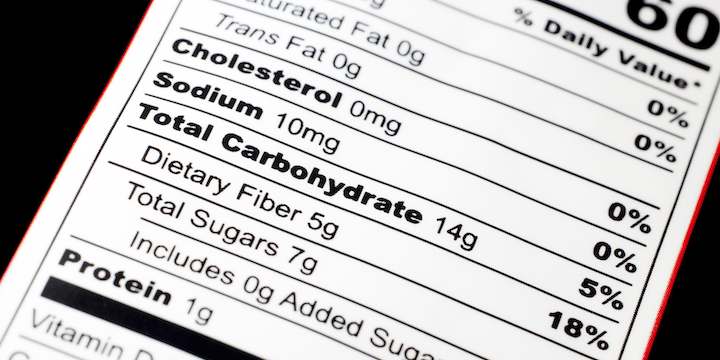
When you see a ‘high in’ symbol, think of it as a first filter or starting point, not a food you need to avoid entirely. Be sure to check the nutrition facts label for fibre, protein and quality of ingredients. You can still enjoy your favourite ‘high in’ foods on occasion too, especially when paired with healthy options.
Are there better alternatives to common ‘high in’ foods?
Yes, there are plenty of healthier swaps to ‘high in’ options that can help prevent your blood sugars from spiking.
Here are a few swaps to consider:
- Sugary drinks → Water, sparkling water or unsweetened tea
- Flavoured yogurt → Plain yogurt with fresh fruit
- Processed snacks → Nuts, seeds or cut vegetables
- Bottled salad dressings → Home-made dressings
- Butter/margarine → Olive or avocado oil
- Bottled sauces → Fresh and dried herbs/home-made sauces
- Frozen meals → Simple home-cooked meals. This easy Roasted Chicken Sheet Pan Dinner is a good example.
When building a balanced, diabetes-friendly meal, aim to fill your plate with:
- Good protein (fish, poultry, lean meats, legumes)
- High-fibre carbohydrates (whole grains, vegetables)
- Healthy fats (olive oil, avocado, nuts)
This combination helps stabilize blood sugar and supports overall metabolic health.

Your 3-step action plan
Today: Take a closer look at your pantry to identify any frequently used items with “high in” labels and consider where small swaps are possible.
This week: Practice label scanning during your next grocery trip. Try to choose alternatives with fewer or no ‘high in’ symbols whenever feasible.
Ongoing: Make whole, minimally processed foods your ‘go to’ at the grocery store. Use ‘high in’ labels as a guide—not a hard rule—and balance them within an overall healthy eating pattern that focuses on a diabetes-friendly diet.
Canada’s ‘high in’ front-of-package labels are designed to simplify what can sometimes be a confusing nutrition landscape. For people living with diabetes, they offer a useful shortcut to identify foods that may impact blood sugar and long-term health. Used alongside a broader understanding of nutrition, these labels can also help turn everyday grocery decisions into meaningful steps toward better health.