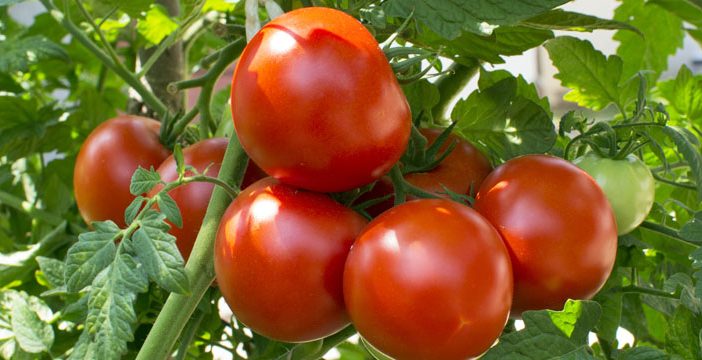
The versatile tomato, especially when in season, makes for a delicious addition to salads, salsas, soups, pasta and more. But is it good for a diabetes diet? Let’s look at the effects of tomatoes on blood sugar and the best way to incorporate them into a nutritious diet when you have diabetes.
Highlights:
- How tomatoes affect blood sugar
- Why tomatoes are considered a diabetes friendly food
- The best ways to choose, cook and enjoy tomatoes in a variety of recipes
How do tomatoes affect blood sugar?
Generally, fresh tomatoes have little effect on blood glucose levels. In fact, raw tomatoes contain only small amounts of carbohydrates—about 3.9 grams per 100 grams (a small to medium sized tomato) —and are low on the glycemic index, which measures how quickly foods raise blood sugar.
The fact they tend to digest slowly, with a high water content and modest fibre levels, also help slow the absorption of sugars into the bloodstream.
For most people with diabetes, that means tomatoes can be eaten regularly—especially when combined with other balanced foods such as lean protein, healthy fats or whole grains.
What are the key benefits of tomatoes for diabetes management?
Tomatoes are naturally low in carbs compared with many other fruits and vegetables, making them a practical option for people watching their blood sugar. They are also a major source of lycopene; an antioxidant linked to heart health and reduced inflammation. Some studies even suggest daily tomato intake may help lower blood pressure and improve HDL (“good”) cholesterol levels.
What are the best tomato varieties for nutritious, diabetes-friendly meals?
Data from the Canadian Nutrient File shows that tomatoes—whether red, orange, yellow, or green—have very similar nutrition profiles per 100 g. They each provide about 18 calories, 4 g of carbohydrates, minimal fat (0.2 g), 1 g of protein, 1 g of fibre, and roughly 225 mg of potassium. The main differences are in certain vitamins: orange tomatoes contain about twice the beta-carotene of red varieties, yellow tomatoes have nearly double the niacin, and green tomatoes provide higher levels of vitamin C.
Did you know there are more than 10,000 varieties of tomatoes around the world! And not all of them are red either. Heirloom and specialty varieties come in yellow, orange, green, purple or even striped colours, with slightly different flavour notes (i.e., yellow tomatoes are sweeter while green varieties can be tangier). Here are some common tomatoes you’ll likely find in the grocery store.
Tomato varieties differ in flavour, texture, and best use. This quick guide compares common types, including carbohydrate content and glycemic index.
| Type | Size/Shape | Flavour Profile | Carb Content (per 100g) |
Glycemic Index | Best Uses |
|---|---|---|---|---|---|
| Cherry | Small, round | Sweet, juicy | 4 g | Low (~15) | Salads, snacks, marinades |
| Grape | Small, oval | Mildly sweet, firm | 4 g | Low (~15) | Lunch boxes, roasting |
| Roma (plum) | Medium, oval | Dense, less watery | 4 g | Low (~15) | Sauces, roasting |
| Vine (cluster) | Medium, round | Balance of sweet and acidic | 4 g | Low (~15) | Sandwiches, salads |
| Campari | Small to medium, round | Sweet, low acidity, juicy | 4 g | Low (~15) | Sandwiches, salads |
| Beefsteak | Large | Mild, juicy | 4 g | Low (~15) | Sliced on burgers sandwiches, stuffed and roasted |
| Heirloom | Varies widely (and come in different colours) | Often richer flavour, and vary depending on colour | 4 g | Low (~15) | Salads, veggie platters |
| Sundried tomatoes | Small, shrivelled | Intensely sweet, concentrated, slightly tangy | 56 g | Low (~35) | Pasta, salads, antipasto, flavour boosters |
| Canned tomatoes | Soft, chopped or whole | Mild, slightly acidic | 4 g | Low (~35) | Sauces, soups, stews |
Are fresh, canned and cooked tomatoes equally healthy for diabetes?
While all tomatoes can be part of a healthy diet, there are some key differences to consider. Yes, fresh tomatoes have plenty of vitamins and antioxidants with little sodium, but cooked or canned tomatoes can help make lycopene easier for the body to absorb because the heat has already broken down the tomato’s cell walls. Cooking tomatoes with a small amount of good fat (i.e., olive oil) can further improve lycopene absorption, too.
Canned varieties are also more accessible year-round, and often more affordable. Here’s a simple tomato sauce using canned or fresh tomatoes to try at home.
Keep in mind that some tomato sauces or canned products can contain added sugars or excess sodium which will impact your blood sugar and blood pressure. For the healthiest options, choose plain canned whole or crushed tomatoes or sauces without added sugars. Be sure to check the label.
What should I look for on labels when buying tomato products?
When purchasing canned or packaged tomato products, be sure to scan both the ingredient list and the Nutrition Facts table.
Look for products that contain:
- Tomatoes as the primary ingredient
- No added sugar
- Lower sodium (or “no salt added” varieties)
Many packaged foods that are high in sodium, sugars or saturated fat must also display a front-of-package nutrition symbol, which can help shoppers quickly identify less healthy options.

Can tomatoes interact with any medications?
Tomatoes are not associated with major food-drug interactions. However, they are a natural source of potassium which can interact with blood pressure medications and kidney function when consumed in very large amounts. Keep an eye on your portion sizes when eating concentrated tomato products too (e.g., juice or paste), especially if you have kidney issues or are taking water pills or other potassium-affecting medications (i.e. ACE inhibitors). Speak to your pharmacist or other healthcare provide if you have question or concerns.
How can tomatoes be used in everyday meals?
Tomatoes really are one of the easiest vegetables to incorporate into a diabetes-friendly meal plan. Some simple ways include:
- Toss raw tomatoes into salads or grain bowls
- Add sliced tomatoes to eggs, wraps or sandwiches
- Marinate tomatoes for a delicious addition to salads or grilled meats.
- Roast tomatoes for soups or pasta sauces
- Stuff larger tomatoes with quinoa, brown rice or meat and beans and roast
- Put thick tomato slices on the grill for a few minutes to get a more intense flavor
Here’s a tasty Spanish Tomato Bread to try for breakfast or a snack. And here’s a delicious way to add tomatoes to your next fish dish.
Your 3-step action plan
Today: Add fresh sliced or diced tomatoes to your next meal or snack.
This week: Experiment with a few different tomato varieties to see what tastes best for you. Try roasting them and adding to your next sauce.
Ongoing: Make tomatoes a regular part of balanced meals. Pair them with fibre, protein and healthy fats—such as olive oil, beans or lean proteins—to support steady blood sugar and heart health.
The bottom line is that tomatoes are a good option for your diabetes diet. Their low carbohydrate content, high water volume and rich antioxidant profile make them a nutritious addition to many meals.