It’s well-known that one of the keys to successful diabetes management is eating healthy foods. However, it can be difficult to maintain a healthy eating plan every meal of every day. Processed and ultra-processed foods are readily available and convenient for people on the go, but there are drawbacks to consuming them regularly. Read on to learn about processed and ultra-processed foods.
Highlights
- Limit ultra-processed foods to support better blood sugar control and lower complications risk.
- Ultra-processed foods are high in added sugar, salt & unhealthy fats and low in nutrients.
- Choosing whole or minimally processed foods helps reduce diabetes risk and improve health outcomes.
- Some processed foods (like canned or frozen vegetables) can be healthy choices — know the difference.
What is the difference between processed and ultra-processed foods?
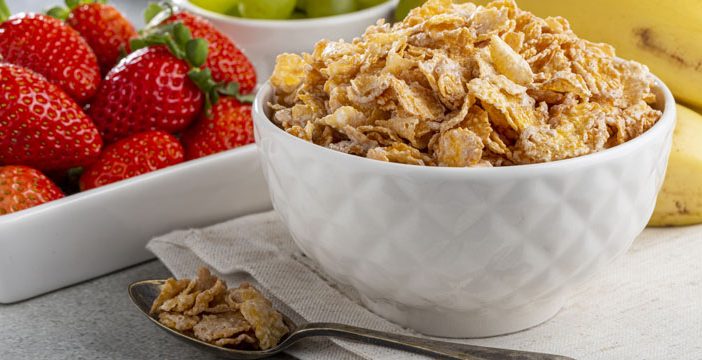
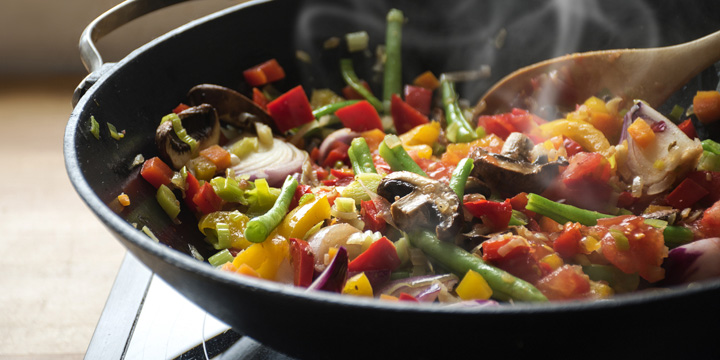
Processed foods are those that have undergone any changes to their natural state. This includes cutting or chopping, cooking or blanching, pasteurizing, canning, freezing or drying. Processed foods are more nutrient-dense than ultra-processed and usually have few or no additives.
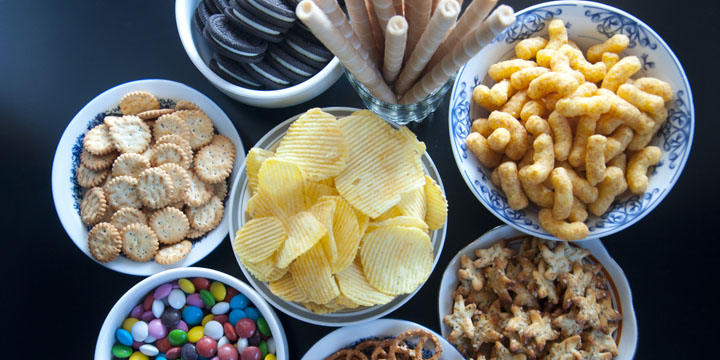
Ultra-processed foods are those that have also undergone changes to their natural state, but have many added ingredients such as preservatives, artificial flavours and colours, thickeners or food stabilizers. Salt, sugar, starch and fat are also common added ingredients in ultra-processed foods.
What are examples of processed and ultra-processed foods?
Processed foods include:
- Jams and jellies
- Pickles and olives
- Canned fruit and vegetables
- Frozen fruit and vegetables
- Canned tuna and salmon
- Homemade whole wheat bread
- Corn flakes and shredded wheat cereals
- Olive oil and butter
- Vinegar
Ultra-processed foods include:
- Ice cream and frozen desserts
- Processed meats, such as ham, hot dogs and bacon
- Potato chips, pretzels and crackers
- Commercially produced bread, cookies and cakes
- Sweetened breakfast cereals
- Soft drinks and sports drinks
- Sweetened fruit juices
- Meal replacement drinks
- Canned soup and dry soup mix
- Margarine
Are processed and ultra-processed foods bad for your health?
Many nutrients can be destroyed during food processing. For example, peeling or hulling outer layers of fruits, vegetables and whole grains can remove nutrients and fibre. Similarly, heating or drying foods can destroy vitamins and minerals.
Ultra-processed foods especially often contain high levels of saturated and trans fats, salt and sugar. When people eat these foods, they leave less room for more nutritious foods. Studies have also suggested that the additives in these foods could be responsible for negative health effects, including increased risk of chronic diseases such as diabetes, poor gut health and obesity.
A landmark study from McMaster University has confirmed a direct link between ultra-processed foods and poor health. Canadians who ate more ultra-processed foods had significantly higher blood pressure, insulin and triglyceride levels – all established predictors of heart disease and type 2 diabetes.

If you already have type 2 diabetes, a diet that is higher in processed and ultra-processed foods can worsen the condition and result in chronic high blood sugar levels, weight gain and increased risk of complications.
Do you need to avoid processed and ultra-processed foods in your diabetes diet?
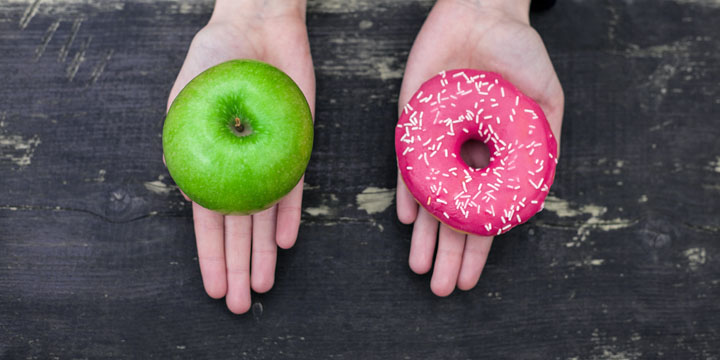
If possible, it is best to consume unprocessed foods as often as possible. They contain the highest levels of vitamins and nutrients. Many processed foods are healthy, such as frozen fruits and vegetables, olive oil and canned tuna or salmon (packed in water), and can be enjoyed regularly. However, ultra-processed foods are generally very unhealthy, so it is best to limit or avoid them altogether.
Speak to your diabetes healthcare team or dietitian about a healthy nutrition plan that’s right for you. Choosing healthier processed foods and limiting or avoiding ultra-processed foods is a good start to a healthy, lifelong dietary regimen!
Your 3-Step Guide to Smarter Food Choices With Diabetes
- Scan & swap today
Check labels now and swap one ultra-processed item for a whole food — you’ll likely see steadier energy right away. - Build a daily routine
Plan meals with whole/minimally processed foods each day — you’ll support better blood sugar control over time. - Track progress weekly
Monitor food choices and glucose responses weekly — you’ll stay on track toward improved long-term health.