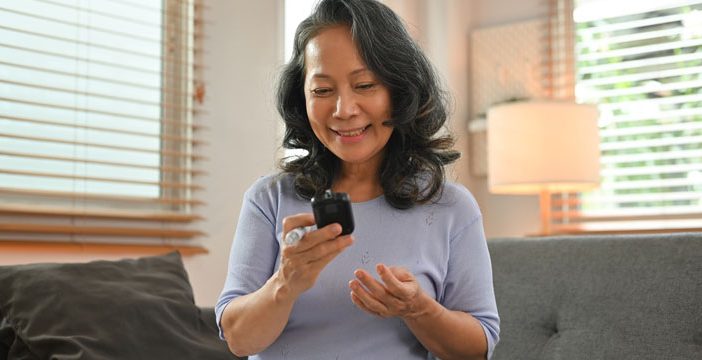
Living alone with diabetes? Here are some smart ways to stay as healthy as possible and avoid medical complications.
Highlights:
- Living alone with diabetes is possible for most people, with some planning and support.
- Create a meal plan, and batch cook food so you can freeze portions for later in the week.
- Keep glucose tablets or fast-acting sugars nearby to stabilize blood sugar levels.
- Check your blood sugar readings before, during and after you exercise.
- Technology and online support groups can help you stay healthy and connected.
What are the biggest challenges of living alone with diabetes?
Living alone with diabetes provides more autonomy, but with that independence comes a range of concerns. Some people worry that their blood sugar could rise too high or drop too low when no one is around to help. There are also challenges around managing meals and ensuring you take your medications properly.
Some people have fears around exercising by yourself: What happens if your blood sugar suddenly drops while you are running or in the pool? Then, there are the emotional challenges of living alone, such as feeling overwhelmed or lonely.
How can you stay consistent with meals?
With so many fast-food options, eating well on a regular basis can feel like an uphill battle. You may be too tired to make a full meal at home or may not have time to pick up fresh vegetables or fruit.
Here are a few tips to help you eat better:
- Work with your healthcare team to develop a meal plan. You can also find diabetes-friendly meal suggestions and recipes
- When you cook, make enough food so there are two or three extra portions. These can be frozen and used on days when you are too tired or busy to cook.
- Store frozen vegetables and fruit in your freezer where they will last longer and it is easy to access single portions.
- Eat three meals a day at regular times, spacing them four to six hours apart. Do not skip meals.
How can you stay consistent with medications?
It can feel overwhelming to administer your medications at home by yourself. Some advance planning and a bit of help from your smartphone can keep you on-track.
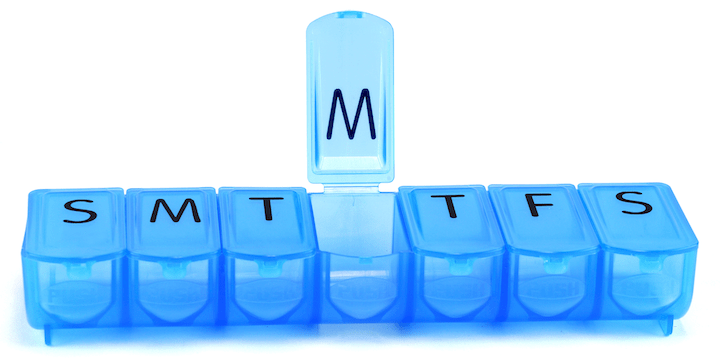
First, organize your medications. Ask your pharmacy about blister packaging, a service that organizes your medications into clearly labeled compartments by day and time, making it easier to take the right medications at the right time. Alternatively, most pharmacies sell a weekly pill box with divided compartments for each day of the week. This is a good way to ensure you take the right pill, at the right time.
Establish a routine around when you take your medications. For example, take your pills with a first cup of coffee in the morning, or at night before you brush your teeth.
Set alarms on your smartphone to remind you to take your pills or insulin injections.
How can you stay safe from low or high blood sugar?
Many people living alone with diabetes worry about maintaining healthy blood sugar levels: What if your blood sugar dips to dangerous lows overnight when you are sleeping, or if you experience very high glucose levels with no one around to help?
You can ease these concerns with close monitoring. Check your blood glucose levels regularly – especially before you go to sleep. Consider wearing a continuous glucose monitor (CGM). It provides alerts if your blood sugar levels are climbing too high or dipping too low.
To mitigate the effects of low blood sugar and prevent hypoglycemia, keep glucose tablets or fast-acting sugars nearby to raise blood sugar quickly. Some good snacks to have on-hand include a juice box, hard candy such as LifeSavers®, or some honey.
If you see your blood sugar levels are trending up, drinking water can help prevent dehydration and may help your body flush out some of that extra glucose. If you are taking insulin, ask your doctor about having a correction dose of fast-acting insulin on-hand to lower glucose levels quickly. If you start to experience confusion or vomiting, call for help right away from a designated support person or emergency health line.
How can you stay safe when you exercise?
Exercise plays a key role in diabetes management. It can help lower your blood pressure and reduce the risk of medical complications such as heart and kidney disease.
The challenge is that physical activity – especially intense exercise – can trigger low blood sugar during the workout or in the hours after. Here are a few tips to keep your blood sugar levels in-check.
- Discuss your exercise options with a healthcare provider. Find a workout that fits well with your current fitness level and goals. Learn how your diabetes medications can affect your blood sugar levels as you get more active.
- Wear a medical identification bracelet that signals to others that you have diabetes.
- Check your blood sugar levels before, during and after exercise.
- Bring along a fast-acting carbohydrate snack such as candy, a fruit juice or glucose tablets to quickly bring blood sugar levels up.
- Try to exercise in places that have other people around such as a gym, community centre or a park.
How does loneliness affect diabetes management?
Medical researchers are finding that loneliness impacts not just our state of mind, but also physical health. A recent study published in the European Heart Journal found that feeling lonely can lead to a higher risk of cardiovascular disease in people with diabetes.
What does this mean if you have diabetes and are living alone? Try to prioritize social connection and get involved in activities with others.
You can start by joining a club or taking part in social activities. For example, a walking group, a book club, a gym class, or chess club. Try to stay in touch with friends and family members, and look for online diabetes support groups to connect with others going through similar experiences.

How can you prevent burnout or feeling overwhelmed?
Some people with diabetes grow tired of managing their diet and medications every day and begin to feel controlled by the condition. They can feel overwhelmed and stop looking after themselves and their health. This is often called diabetes burnout. Here are a few ways to prevent it:
- Look for the positive in each day, such as a beautiful sunrise, eating a healthy meal, or enjoying your favorite tv show.
- Do not be too hard on yourself. Recognize that diabetes is challenging and you will have good days and bad.
- Connect with a diabetes support group or speak with your healthcare team if you are feeling overwhelmed.
Which technologies can make living alone easier?
Today’s technologies can help people live better with diabetes. Continuous glucose monitors (CGMs) provide real-time information on your glucose levels and alert you if your numbers are going too high or too low.
There are also smart insulin pens and caps, which record the exact time and amount of each insulin injection. They track the amount of insulin in your body, and alert you about missed doses.
Smart watches like Apple Watch have many features for people with diabetes and can also provide other health data.
Online forums and support groups can provide connection, and mental health support.
What should you do in case of emergency?
Sometimes, there are situations you cannot manage yourself. Create an Emergency Action Plan with a list of contacts (family and friends) and numbers for local hospitals.
If you experience severe symptoms, confusion, or cannot manage your blood sugar levels, call 911 immediately.
You should have an updated list of medications, so doctors know exactly what drugs and dosages you are taking to safely administer medical care.
Three-step Action Plan For Living Alone
Today: Buy frozen fruit and vegetables to have on-hand for easy meal preparation.
This week: Ensure you have back-up medications, and fast-acting sugars at home to better regulate blood sugar on your own.
This month: Ask your doctor about technologies that can support diabetes health, including a continuous glucose monitor. Look into clubs and online support groups you can join to stay socially connected.
Living alone with diabetes may seem daunting, but you can manage your health with some good planning. This includes building a support system and a plan for healthy meals, exercise, and social connection.