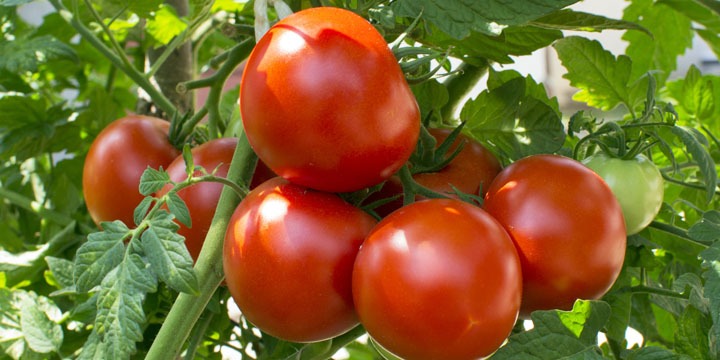
From fresh tomatoes to ketchup and tomato sauce, there are many ways to enjoy tomatoes, especially when they are in season. But when it comes to diabetes and tomatoes, are some choices healthier than others? The key is knowing what to look for when shopping and how different tomato products can fit into healthy meals.
Article Highlights:
- Discover why tomatoes are nutritious, relatively low-carbohydrate foods.
- Understand how the nutritional profiles of tomato products can vary.
- Learn how to compare carbohydrate, fibre, sodium and sugar when choosing tomato products.
- Discover new recipes for incorporating tomatoes into balanced meals.
What makes tomatoes a good choice for people with diabetes?
Tomatoes provide a variety of nutrients, including potassium, folate, vitamin C and several antioxidants. They are a non-starchy vegetable and low in carbohydrates, making them a nutritious choice for people with diabetes. Tomatoes contain relatively little carbohydrate per serving, so they generally have a smaller impact on blood sugar compared with higher-carbohydrate foods.
Do different tomato products affect blood sugar differently?
Tomato products can differ in their carbohydrate, fibre and sodium content. Products like ketchup and some tomato sauces may also contain added sugars. It is important to read product labels to determine the quantity of added sugars to assess how the tomato product will affect your blood sugar. Comparing nutrition facts tables and ingredient lists can help you choose products for your nutritional needs.
Below is a nutritional comparison of commonly used tomato-based products:
Tomato products: nutrition comparison
| Product | Carbohydrates g/100 g | Fibre g/100 g | Sodium mg/100 g | Sugar g/100 g |
|---|---|---|---|---|
| Fresh tomatoes Carbs, fibre and sugar: g/100 g · Sodium: mg/100 g | 4 | 1 | 5 | 4 |
| Canned tomatoes Carbs, fibre and sugar: g/100 g · Sodium: mg/100 g | 7 | 2 | 186 | 4 |
| Tomato sauce Carbs, fibre and sugar: g/100 g · Sodium: mg/100 g | 5 | 1 | 474 | 4 |
| Passata Carbs, fibre and sugar: g/100 g · Sodium: mg/100 g | 7 | 1 | 221 | 5 |
| Tomato paste Carbs, fibre and sugar: g/100 g · Sodium: mg/100 g | 21 | 6 | 76 | 12 |
| Sundried tomatoes Carbs, fibre and sugar: g/100 g · Sodium: mg/100 g | 56 | 12 | 247 | 38 |
| Salsa Carbs, fibre and sugar: g/100 g · Sodium: mg/100 g | 7 | 2 | 705 | 4 |
| Tomato juice Carbs, fibre and sugar: g/100 g · Sodium: mg/100 g | 14 | 3 | 615 | 9 |
| Ketchup Carbs, fibre and sugar: g/100 g · Sodium: mg/100 g | 29 | 0 | 1059 | 24 |
Keep in mind that portion size matters. The table compares products based on the same weight; however, you may eat very different amounts of each product. Additionally, brand and preparation of products can cause variations in the presented numbers. For instance, one tablespoon of ketchup has 4.35 g of carbs, and three sundried tomatoes have 8.4 g of carbs.
What should you look for when buying tomato products?
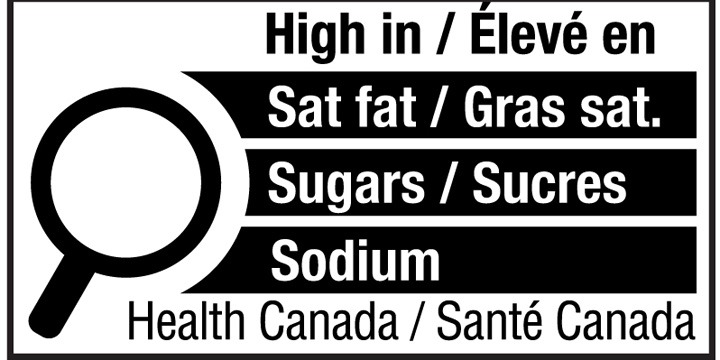
Here are a few quick label checks to make choosing tomato products easier:
- Check the ingredient list: Choose products with tomatoes first or second on the ingredient list and pay attention for added sugars. Ingredients are listed in descending order by weight, with the ingredient present in the greatest amount listed first.
- Look at the serving size: A tablespoon of ketchup is very different from a cup of tomato sauce. Consider how much you would typically eat when comparing the nutrition labels of products.
- Do not assume “natural” means lower sugar: Check the nutrition facts table and ingredients for a clear picture.
- Compare sodium: Look for no-salt-added or lower-sodium options when available.
What is the best way to enjoy tomatoes if you have diabetes?
There is no one “best” way to enjoy tomatoes when living with diabetes. Balanced eating can include fresh, canned, or cooked tomatoes. The key is considering the tomato product, its ingredients and your portion size. Additionally, pairing tomatoes with protein, fibre-rich foods and healthy fats can help to slow the absorption of carbohydrates and support more stable blood sugar levels.
Looking for some inspiration on how to incorporate tomatoes into your meals? These recipes from My Diabetes Care Community offer a variety of ways to enjoy tomatoes:
- Tomato baked cod – a simple tomato-based main dish
- Simple tomato sauce – a versatile homemade sauce
- Spanish tomato bread – a simple way to enjoy fresh tomatoes
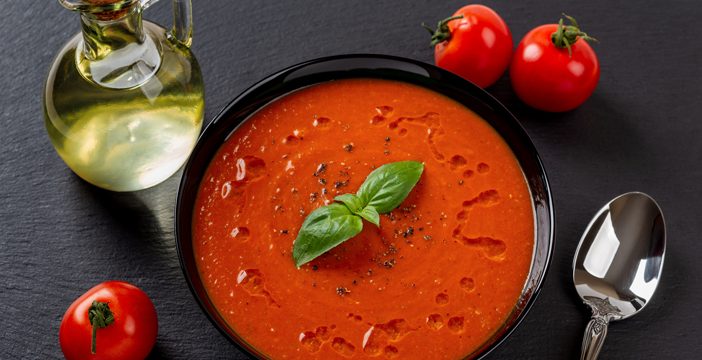
- Roasted tomato soup – a comforting tomato-based soup for a cold day
Your 3-step action plan to make tomatoes work for you
- Explore your options: Consider all your options in the grocery store, which may include fresh tomatoes, canned tomatoes, passata, salsa or tomato paste.
- Read the nutrition label: Compare the nutrition fact tables while considering serving size and the ingredient list to find a product that suits your needs.
- Balance your plate: Combine your tomatoes with protein, fibre-rich foods and healthy fats to create a balanced meal.
Tomatoes can be a nutritious and versatile addition to a diabetes-friendly diet. Whether you choose fresh tomatoes, canned tomatoes, passata, tomato sauce, salsa or ketchup, consider the overall nutritional profile, serving size and what else you are eating with them. Tomatoes can be an easy way to add flavour and nutrients to your meal.