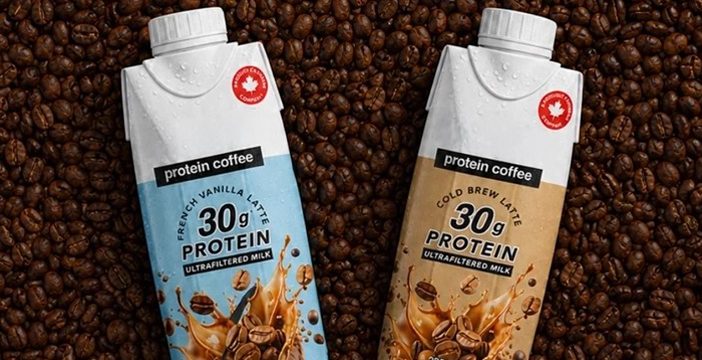
Protein coffee has grown in popularity on social media, leaving many people wondering whether it is a good beverage choice. Read on to learn more about protein coffee, and how it can affect people living with diabetes. We answer some frequently asked questions about protein coffee and how it can fit into a balanced diet.
Article highlights
- Why protein coffee can be a quick and convenient way to increase your protein intake.
- What pairs best with protein coffee for a balanced meal.
- Safety concerns around protein coffee when you have diabetes.
What is protein coffee?
Protein coffee is exactly what it sounds like: a combination of protein and coffee. This combination has become known as “proffee,” a popular term for protein coffee that has recently gained attention on social media.
Protein coffee can be made at home by adding protein powder to cold coffee, but it is also becoming more widely available as a ready-to-drink product, with many different brands now offering their own versions at grocery stores and other retailers.
What are the potential benefits of protein coffee drinks?
Coffee contains antioxidants and caffeine, which can increase alertness and energy. Research even shows coffee consumption is associated with reduced risk of complications related to type 2 diabetes.
Protein is an essential nutrient that supports muscle growth and maintenance and can help you feel fuller for longer. Having protein as part of a balanced breakfast may also help promote fullness and support more consistent energy throughout the morning.
Protein coffee combines the best of both elements and can be a convenient way to increase the protein in your diet while enjoying your morning coffee.
It is important to remember that the nutritional content of protein coffee can vary depending on the ingredients and products used. Some protein coffee drinks may contain added sugars, while others may contain little or no added sugar.
Can protein coffee replace breakfast?
Protein coffee can be a convenient addition to breakfast, but it should not necessarily be considered a replacement for a balanced meal. A nutritious meal provides a variety of nutrients, including protein, carbohydrates, fats, vitamins and minerals, which help nourish your body.
If you enjoy protein coffee in the morning, consider pairing it with other foods to create a more balanced breakfast.
Some healthy examples of breakfast pairings include:
Can protein coffee help with blood sugar management?
Protein coffee may fit into a diabetes-friendly eating pattern, but it is important to consider what is in your drink and what you are eating alongside it. Protein generally has little direct effect on blood sugar, while the carbohydrates and added sugars in some protein coffee products can affect blood sugar levels. Protein can also help promote fullness when included as part of a balanced meal or snack.
For most people, caffeine doesn’t noticeably affect blood sugar. However, individuals respond to caffeine differently, so it is important to monitor your blood sugar and pay attention to symptoms, including headaches or increased thirst.
When choosing a protein coffee, check the nutrition facts label for total carbohydrates, fibre, added sugars and protein. If you have diabetes, consider how the drink fits into your overall meal or snack and how it may affect your own blood sugar levels.
Protein coffee can be a convenient addition to a balanced eating pattern, but it is not a substitute for a nutritious meal.
Popular ready-to-drink protein coffee brands with their nutritional breakdown:
The following protein coffees vary in their nutritional profile. Therefore, compare and contrast their macronutrient breakdown according to your individualized needs. For example, you may be looking for higher caffeine content, higher protein content, lower carbs, a certain type of sweetener, etc.
Protein coffee: nutrition comparison
| Protein coffee | Carbs | Sugar & sweetener | Protein | Calories | Caffeine | Size |
|---|---|---|---|---|---|---|
| BRÜST Cold Brew Latte | 5 g | 2 g Sucralose | 30 g | 150 | 50 mg | 325 mL |
| BRÜST Original Light Roast | 9 g | 7 g Cane sugar | 20 g | 120 | 120 mg | 330 mL |
| BRÜST Unsweetened Dark Roast | 4 g | 0 g None listed | 20 g | 100 | 175 mg | 330 mL |
| Premier Protein Café Latte | 4 g | 1 g Sucralose | 30 g | 160 | ~80–100 mg | 325 mL |
| Premier Protein Non-Dairy Coffee Shake | 7 g | 5 g Stevia | 20 g | 150 | ~80–100 mg | 325 mL |
| Two Bears Vanilla Protein Latte | 10 g | 1 g Sweetener blend* | 20 g | 120 | 70 mg | 250 mL |
| Two Bears Double Chocolate Protein Latte | 10 g | 1 g Sweetener blend* | 20 g | 110 | 70 mg | 250 mL |
*The sweetener blend contains erythritol, monk fruit and stevia.
Where to buy protein coffee in Canada
| Brand | Retailers and brand website |
|---|---|
| BRÜST | |
| Premier Protein | |
| Two Bears |
Product availability varies by location and retailer. Check online or contact your local store before visiting.
Can you make protein coffee at home, and if so, what are the advantages and disadvantages?
Making protein coffee at home can be as simple as adding protein powder to your coffee. Protein powders are widely available at grocery stores and come in a variety of flavours, making it easy to customize your drink to your preferences.
One advantage of making protein coffee at home is that you have more control over the ingredients and can choose how much protein powder, milk and sweetener to add. This can make it easier to keep track of the amount of carbohydrates and added sugars in your drink compared with purchasing a prepared protein coffee.
One disadvantage is the cost. Protein powders can be expensive, especially when used regularly.
Looking for a protein powder that works for you? Check out Finding the right protein powder with diabetes.
Are there any safety concerns with protein coffee if you have diabetes?
Protein coffee can be included in a diabetes-friendly eating pattern, but there are a few things to keep in mind:
- Check the carbohydrate and sugar content: Some protein powders and ready-to-drink protein coffees can contain added sugars or carbohydrates. Check the nutrition facts label and consider how these carbohydrates fit into your overall meal or snack.
- Consider food intolerances: Many protein powders are made with whey or other milk-based proteins. These products may not be well tolerated by people with lactose intolerance or other digestive sensitivities. Lactose-free or plant-based options may be alternatives.
- Be mindful of added calories: Protein powders, milk, creamers and other additions can increase the calorie content of your coffee. Consider how these additions fit into your overall eating pattern and nutritional needs.
- Consider caffeine: Coffee contains caffeine, which may temporarily affect blood sugar levels differently from person to person. If you notice changes in your blood sugar after drinking caffeinated coffee, consider discussing this with your diabetes care team.
- Read the label: Protein coffees can vary significantly in their protein, carbohydrate, sugar and calorie content. Comparing nutrition facts labels can help you choose an option that fits your needs.