Eating well with diabetes doesn’t have to be complicated or involve strict rules. A simple, consistent approach to planning your meals can make healthy eating easier, support blood sugar management, and fit into everyday life.
Article Highlights
- The Plate Method is a simple visual tool for building balanced, diabetes-friendly meals.
- Fill ½ your plate with non-starchy vegetables, ¼ with lean protein, and ¼ with healthy carbohydrates.
- No calorie or carbohydrate counting is required to get started.
- Small changes to portion balance can help support blood sugar management and overall health.
What is the plate method?
The plate method is a simple way to plan your diabetes-friendly meals. It uses a technique where a plate is divided into sections so that you learn quantities of the various food groups to include in your meal plan.
What are the advantages of the plate method?
The plate method can help people with weight management by controlling portion size, and it can also help with managing carbohydrate intake.
How do you use the plate method?
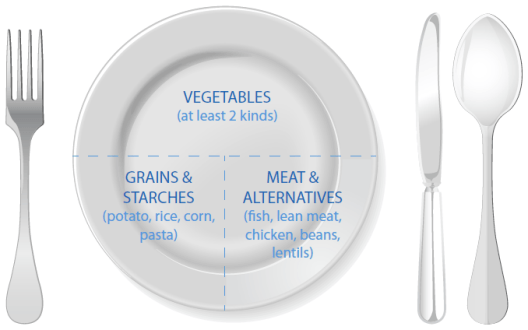
1. Using your regular dinner plate, put a line down the middle of the plate. Then on one side, cut it again, so you will have three sections on your plate. See the image above as an example.
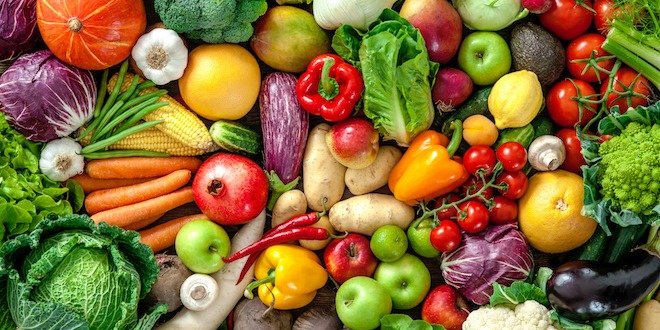
2. Fill the largest section (1/2 of the plate) with non-starchy vegetables and fruits. Non-starchy vegetables include most vegetables except potatoes, peas, corn and winter squash.
3. Next, fill one of the small sections (¼ of your plate) with whole grain foods such as whole grain cereals, breads, rice, or pasta, and starchy vegetables such as potatoes, peas, corn or winter squashes (e.g. butternut).
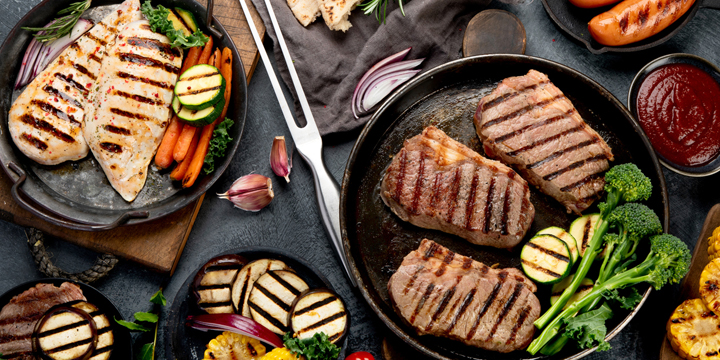
4. Fill the remaining ¼ of the plate with foods from the meat and/or meat alternatives category. These include: poultry with skin removed, lean beef and pork cuts, fish and seafood, and eggs, low-fat cheese, and/or tofu, nuts, beans and lentils. Canada’s Food Guide recommends that you choose protein foods that come from plants more often.
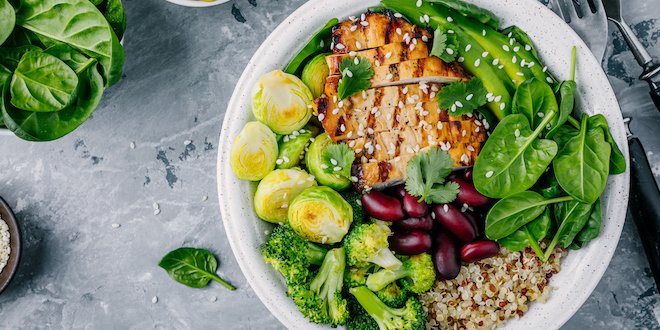
It is not only important to consider what type of foods you should eat, but also to learn about portion sizes. The plate method can also be used as a reminder when you are having your meal in a bowl or packing your lunch in separate containers. You can also keep this concept in mind when making foods that are mixed together such as stir fry’s, soups or casseroles.
3-Step Action Plan for Using the Plate Method
- Choose the right plate – Use a 9-inch plate as your guide.
- Build your meal – Fill half with vegetables, one-quarter with lean protein, and one-quarter with whole grains or starchy vegetables.
- Make it a habit – Use the Plate Method for most lunches and dinners to create balanced meals consistently.
For more help with the plate method, your dietitian can help you plan specific plate details.