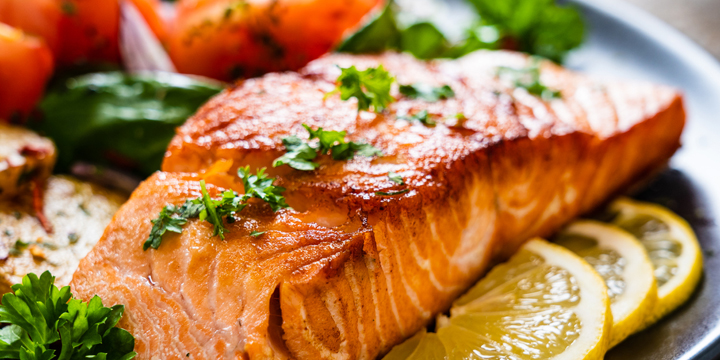
Choosing canned fish is a smart way to boost your health without raising your grocery bill. From salmon to tuna and sardines, here is a look at the best canned fish for people with diabetes.
Highlights
- Lower blood sugar with zero carbs: Most canned fish won’t raise glucose levels
- Save money without sacrificing nutrition: High-protein, omega-3–rich meals for dollars per serving
- Protect your heart: Omega-3 fats support cardiovascular health in diabetes
- Avoid hidden sugars & sodium: Plain canned fish beats sauced or flavoured options
- Choose tuna wisely: Skipjack tuna = lowest mercury for regular eating
Why is canned fish a diabetes-friendly protein?
When it comes to nutrition, seafood is a superfood. Many people look for fresh and frozen varieties when they shop, but canned fish is also a great fit for a diabetes-friendly diet. Most types of canned fish are high in protein and low in carbohydrates.They contain healthy omega-3 fats and important vitamins and minerals.
Canned fish is also widely available in most grocery stores and has a long shelf-life. It will last months or even years in your pantry.
What should you look for on canned fish labels in Canada?
First, check how the fish is packed – is it canned in oil, or water? Water is the better option for people watching calories, fats, and sodium, but fish packed in oil also has benefits. The oil is an extra source of omega-3 fats that support your heart, brain function and vision. The oil typically offers a richer flavour and a more tender fish.
Next, check the ingredient list. Some brands of canned fish available today are prepared as a meal with other ingredients. For example, Gold Seal Wild Salmon Bowl with Fried Rice has added flavourings, sugars and sauces. This meal is high in fat, carbohydrates and salt. Look for canned fish with basic ingredients, such as Low-Sodium Clover Leaf Flaked Light Tuna. This product contains just skipjack tuna and water.
Finally, see if your canned fish is BPA-free. BPA (Bisphenol A) is a chemical that was used widely in the lining of metal cans. BPA was found to leak into food, potentially posing health risks. Today most manufacturers have stopped using BPA in canned foods, but not all.

Which types of canned fish have the lowest impact on blood sugar?
Many types of unseasoned canned fish have minimal impact on blood glucose levels.
Most canned fish are high in protein, contain healthy fats, and are naturally carb-free. Plain salmon, tuna, cod, sardines, mackerel, haddock and trout are all excellent choices. The protein in these foods slows down digestion, provides a feeling of “fullness”, and helps to manage blood sugar levels.
You can also avoid blood sugar spikes by eating canned shellfish. Tinned shrimp and crab tend to be carb-free. Smoked oysters, mussels and clams usually have less than 5g of carbs per serving. Avoid shellfish with added marinades, sauces and breading, as that will pack on extra calories, carbs and sodium.
Why are canned salmon and sardines a great overall choice for diabetes?
Salmon and sardines are praised for their health benefits for people with diabetes. Both are high in protein and are an excellent source of omega-3 fats. These “good” fats help lower blood sugar, protect artery walls and help provide a defence against strokes and heart attacks.
Canned sardines are often overlooked at the grocery store, but they provide a mega boost of nutrition. Sardines are an excellent source of calcium, vitamin D, vitamin B-12, magnesium, iron and iodine.
How does canned tuna fit into a diabetes-friendly eating pattern?
Canned tuna is budget-friendly, versatile, and provides a protein-rich meal without any carbs. This makes it a great addition to your pantry. The ones commonly found canned at your grocery store include skipjack, yellowfin and albacore.
Canned tuna, particularly canned light tuna, is one of the most popular fish choices among Canadians, and because it is typically made from younger, smaller tuna, it contains significantly less mercury than fresh or frozen tuna, meaning most Canadians do not need to be concerned about how often they consume it.
Canned light tuna is different from canned albacore, which is also known as canned white tuna, and is made from a different species that contains higher levels of mercury and is usually more expensive. For people who consume large amounts of canned albacore tuna, there is a greater potential for mercury exposure, which is why Health Canada provides specific consumption advice for certain groups of people. This advice applies only to canned albacore (white) tuna and not to canned light tuna.
Health Canada recommends the following maximum amounts of albacore (white) tuna:
- 300 grams (approximately two 170g cans) per week for women who are or may become pregnant or who are breastfeeding
- 150 grams (approximately one 170g can) per week for children aged 5–11 years, and
- 75 grams (approximately ½ 170g can) per week for children aged 1–4 years
NOTE: There are approximately 120 grams of tuna meat in a 170-g can of tuna after the liquid is drained.
The advice above does not apply to Canadians outside of the specified groups. While no specific low limit is set for the general population, moderate consumption is advised, and it should not be the exclusive source of protein.
What should you watch for with flavoured, smoked or sauced canned fish?
Check the ingredient list and nutrition label on these types of canned fish. The extra processing will usually lead to more fats, sugars, and sodium, limiting their value in a diabetes-friendly diet.
How can you use canned fish in simple meals that are blood-sugar friendly?
Adding canned fish to salads in an excellent way to prepare a blood-sugar friendly meal full of fibre and protein. Other options include canned fish on whole grain bread with red onions, and avocados stuffed with tuna, salmon or sardines. Here are some great recipes for you to try using canned fish.
A Simple 3-Step Plan for Diabetes-Friendly Canned Fish Meals
- Buy smart: Choose low-sodium canned fish packed in water or olive oil.
- Eat balanced: Pair canned fish with fibre-rich foods to steady blood sugar.
- Repeat weekly: Plan at least one diabetes-friendly meal with canned fish each week.
Canned fish provides inexpensive high protein meals that are low in fat and carbohydrates for people with diabetes. Look for low-sodium varieties of your favourite canned fish at the grocery store. Tuna is a popular choice, but you should limit how much you eat due to its mercury content.