What is the glycemic index?
The glycemic index is a scale that ranks foods containing carbohydrates by how much they raise blood sugar levels. Foods are identified as either having a high, medium or low glycemic index:
- High glycemic index foods are those that are 70 or higher
- Medium glycemic index foods are between 56 and 69
- Low glycemic index foods are 55 or lower
It’s important – especially for people with diabetes – to choose medium or low glycemic index foods more often than high glycemic index ones.

What are 10 low glycemic fruits that are good for my diabetes?
Here are fruit options with a ‘low’ glycemic index (arranged alphabetically):
Apples (glycemic index = 39)
In addition to providing a satisfying crunch, there’s a reason why apples are one of Canadians’ favourite fruits. A single medium-sized apple (eaten with the peel on) provides about 20% of your daily fibre needs. Fibre helps you feel full for longer, and also helps lower blood sugar levels and improve the function of the digestive system. Additionally, apples are a great source of vitamin C.
Try this One-pot Apple Cinnamon Breakfast Oatmeal.
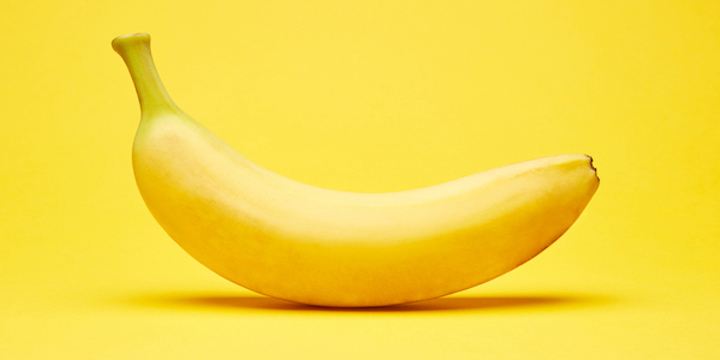
Bananas (glycemic index = 51)
Bananas are one of the most widely consumed fruits in the world, for good reason. They’re an easy snack on-the-go, and they’re also rich in fibre, potassium, vitamins A and C, and magnesium. It is also believed that bananas may help lower blood pressure and reduce the risks of cancer and asthma.
The GI of a banana can vary depending on factors such as ripeness, variety, and size. Generally, the riper the banana, the higher its GI. Green/underripe bananas have a low GI, yellow/ripe bananas have a medium GI and brown/overripe bananas have a high GI.
Use unripe or semi-ripe bananas for this Frozen Chocolate Banana Bites recipe for a delicious bite-sized snack.
Cantaloupes (glycemic index = 54)
Cantaloupes are an excellent source of vitamins C and A. Vitamin A helps your eyes stay healthy and your eyesight stay sharp. Cantaloupes also contain a host of B vitamins – including B1, B3, B6 and folate. They are also good sources of vitamin K, potassium and magnesium.
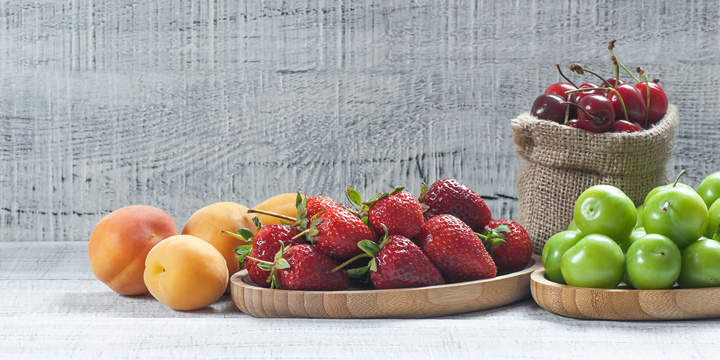
Cherries (glycemic index = 20)
Cherries are packed with antioxidants, which help boost your immune system. They are also very high in potassium: 155 grams (one cup) of pitted cherries contains 260 milligrams. Because cherries have a short growing season, it can be difficult to find fresh cherries in the grocery store. However, canned tart cherries are an excellent substitute – and still have a low glycemic index – as long as they’re not packed in sugar.
Check out this Grilled Salmon with Cherry Salsa for a great summer dinner.
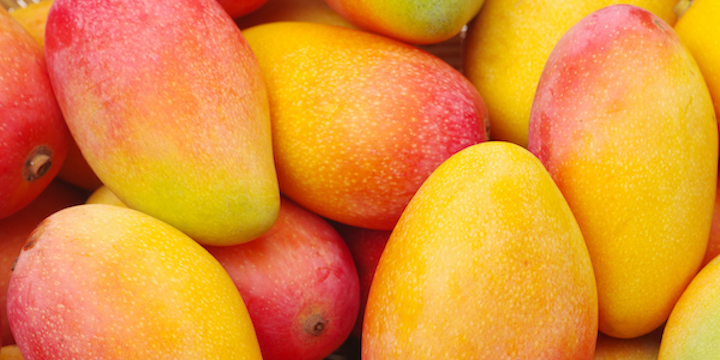
Mangos (glycemic index = 51)
Besides being fairly low in calories, and very high in fibre, mangos are a great source of vitamins A, B6 and C. They also contain smaller amounts of calcium, zinc and iron.
For a quick weeknight dinner, try this Grilled Fish Sandwich with Spicy Mango Slaw.
Oranges (glycemic index = 40)
Oranges contain fibre, potassium and vitamin C, all of which support heart health. As well, they contain more than 170 different phytochemicals and more than 60 flavonoids, which have anti-inflammatory properties and antioxidant effects.
Need a great recipe for entertaining? Try this Orange Cranberry Roasted Balsamic Chicken.
Peaches (glycemic index = 42)
Peaches contain lots of vitamins C and A, as well as potassium and iron. Potassium helps regulate heart rate and lower blood pressure, while iron helps carry oxygen from the lungs and throughout the body.
For a high protein breakfast, try this Healthy Peach Toast with Cottage Cheese and Walnuts.
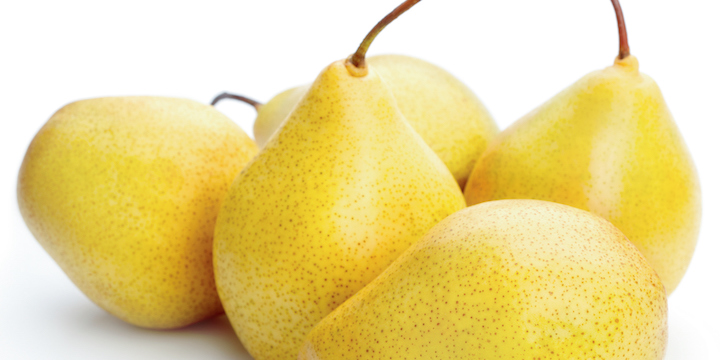
Pears (glycemic index = 38)
Pears contain vitamins C and K, as well as potassium, calcium, magnesium, riboflavin, vitamin B6 and folate. Instead of paring it, eat the entire pear – with the peel – for an extra fibre boost. This will give you 20% of your recommended daily fibre intake.
Here is a warm and comforting Pureed Butternut Squash and Pear Soup.
Plums (glycemic index = 40)
Plums contain considerable amounts of vitamins A, C and K. They are also good sources of potassium, copper and manganese, and are rich in antioxidants.
This Baked Plum and Blueberry Crisp is a definite crowd pleaser!
Strawberries (glycemic index = 41)
Like many other berries, strawberries have particularly high levels of antioxidants called polyphenols, which help the body fight disease, boost insulin sensitivity and slow the rate at which the body digests and absorbs sugar. Strawberries are also rich in potassium, folic acid, fibre and vitamin C. In fact, although most people associate vitamin C with citrus fruits, 155 grams (one cup) of strawberries actually contains more vitamin C than an orange.
For a quick delicious and refreshing snack try this Strawberry Mint Protein ‘Froyo’.
In summary, here are 10 fruit options, listed in order of glycemic index – all a good option for your diabetes diet!
| Fruits | Glycemic index |
| Cherries | 20 |
| Pears | 38 |
| Apples | 39 |
| Oranges | 40 |
| Plums | 40 |
| Strawberries | 41 |
| Peaches | 42 |
| Bananas | 51 |
| Mangos | 51 |
| Cantaloupes | 54 |
Choosing low-glycemic fruits isn’t about giving up sweetness — it’s about making smarter choices that support your blood sugar goals while still enjoying delicious, nutrient-rich foods. By starting small, planning ahead, and paying attention to how your body responds, you can confidently include fruits as part of a balanced diabetes-friendly diet and find what works best for you.