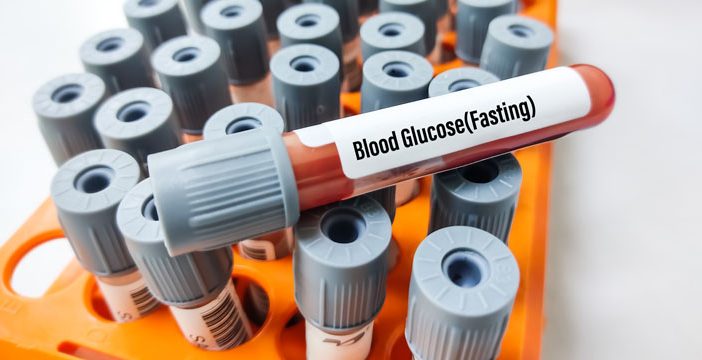
Many people with prediabetes feel completely fine, even though their blood sugar levels are already higher than they should be. Prediabetes screening is a simple but powerful way to take charge of your health before problems begin. Screening helps determine if you have prediabetes when small changes can make a big difference in delaying or preventing type 2 diabetes from developing.
Highlights:
- Why prediabetes screening is so important
- Who should screen for prediabetes and how often
- What to expect when testing for prediabetes
What is prediabetes and why is screening important?
Prediabetes occurs when blood sugar levels are higher than normal but not yet high enough to be diagnosed as type 2 diabetes. You have prediabetes if:
- Your fasting blood sugar is between 6.1 to 6.9 mmol/L OR
- A1C results fall between 6.0% to 6.4% OR
- oral glucose tolerance test (OGTT) is 7.8 to 11.0 mmol/L (2 hours after the beginning of the test)
This stage often has no symptoms, which is why screening is so important. Prediabetes screening provides early insight into your health and a chance to take action. When identified early, many people can reduce their risk of progressing to type 2 diabetes—and related complications such as heart disease or neuropathy—through manageable lifestyle changes.
Who should be screened for prediabetes and when?
The risk for diabetes increases as we age, so prediabetes screening is recommended for anyone aged 40 or older, especially if they haven’t been tested before. Screening is also important at any age for people with risk factors such as:
- a family history of diabetes
- excess weight (particularly around the waist)
- high blood pressure
- high cholesterol
- a history of gestational diabetes, or
- belonging to populations at higher risk of diabetes (i.e., Aboriginal, African, Asian, Hispanic or South Asian descent).
Your healthcare provider can help determine when screening is right for you.
Read more about risk factors for prediabetes.
How often should adults be screened for prediabetes?
For adults with no known risk factors and normal blood-sugar results, prediabetes screening is typically recommended every three years. For those with risk factors—or results that are close to the prediabetes range—screening may be advised more often, such as every one to two years. Regular screening helps track changes over time and ensures that rising blood sugar levels are identified early, when action can be most effective.
What tests are used to screen for diabetes?
Prediabetes screening usually involves a simple blood test. Common tests include the A1C test, which reflects average blood sugar levels over the past two to three months, and fasting blood glucose tests, which require you to avoid eating or drinking (except water) for several hours beforehand. In some cases, an oral glucose tolerance test may be used. Your healthcare provider will recommend the most appropriate test based on your situation.
What do prediabetes screening results mean?
Screening results help place your blood sugar levels into one of three categories: normal, prediabetes, or diabetes. A prediabetes result doesn’t mean you will develop type 2 diabetes, but it does indicate that your risk for developing the disease is higher. This information allows you and your healthcare team to talk about next steps, including lifestyle changes, follow-up testing, and supports that can help protect your long-term health. Some people may also be prescribed medication such as metformin (which helps improve how the body uses insulin) or GLP-1 receptor agonists (which can help with weight loss and blood sugar control).
Read more on the difference between prediabetes and type 2 diabetes
Can prediabetes be prevented or reversed if detected early?
Yes, early detection makes a real difference. Many people with prediabetes can bring their blood sugar levels back into the normal range by following a healthy diet, increasing physical activity, managing stress, and getting enough sleep. Even modest weight loss can have a meaningful impact. Screening gives you the chance to take action early, when prevention is most achievable.
Type 2 diabetes prevention programs are also a great resource for people with prediabetes. Here are some options across Canada.
How do you access prediabetes screening in Canada?
Prediabetes screening is typically available through your family doctor, nurse practitioner, or primary care clinic. Many people can also start the conversation at their local pharmacy, where pharmacists can assess risk, recommend testing, and guide next steps. Screening is often covered by provincial health plans when medically indicated. If you don’t have a regular healthcare provider, walk-in clinics and community health centres may also offer testing or referrals.
Your 3-step action plan
Today: Talk to your pharmacist or other healthcare provider about your risk for prediabetes and whether screening is right for you—especially if you’re 40 or over, or have risk factors.
This week: If you’re 40 and over, or have risk factors for diabetes, book a prediabetes screening appointment or lab test. Be sure to ask if fasting is required prior to the test.
Ongoing: Use your screening results as a guide. Continue regular screening as recommended, and focus on small, sustainable habits—such as nutritious meals, regular exercise and healthy sleep habits—that support steady blood sugar over time.
Prediabetes screening can make a big impact on your future health. By checking in on your blood sugar early, you give yourself the chance to make informed choices to delay or keep type 2 diabetes at bay.