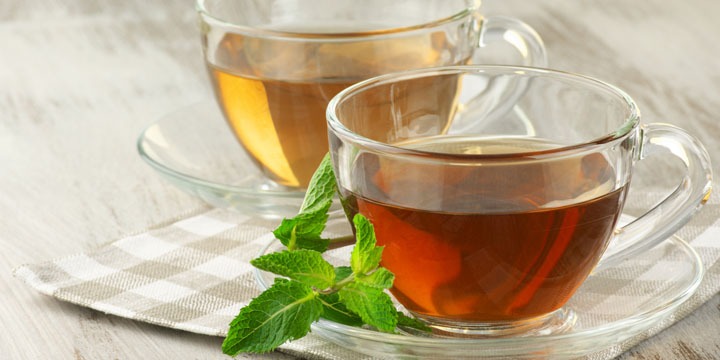
Not all teas offer the same benefits for people with diabetes. Our comparison chart you will find below shows the best and worst teas for blood sugar, including hot tea, iced tea and bubble tea.
Highlights:
- Unsweetened hot or iced tea is best for blood sugar control
- Commercial iced teas can lead to blood sugar spikes
- Avoid bubble tea packed with sugar, calories and fat
What are the best teas for blood sugar control?
Having diabetes means keeping a close eye on your blood sugar levels. There are some teas that can support better blood sugar control. According to the comparison chart, unsweetened black, green and herbal teas rank as the best choices for blood sugar.
High levels of antioxidants in these teas help to improve insulin sensitivity and reduce body inflammation. Green tea, in particular, boasts many health benefits. Researchers have found that incorporating green tea into your diet can support lower fasting glucose and hemoglobin A1C levels.
Unsweetened herbal teas can also help with blood sugar control. Some good options are cinnamon, chamomile, hibiscus and ginger tea. They can improve insulin sensitivity and slow carbohydrate absorption.
These teas can support a diabetes diet, but do not replace your regular diabetes medication. You may want to check with your doctor before introducing them into your daily routine.
Are there teas that can raise blood sugar?
Not all teas are made equal when it comes to diabetes management. A general rule of thumb is, the more processed the tea, the more caution you should exercise.
Be wary of bottled iced teas on supermarket shelves. Many have as much sugar as soft drinks and drinking them can lead to rapid spikes in blood sugar levels.
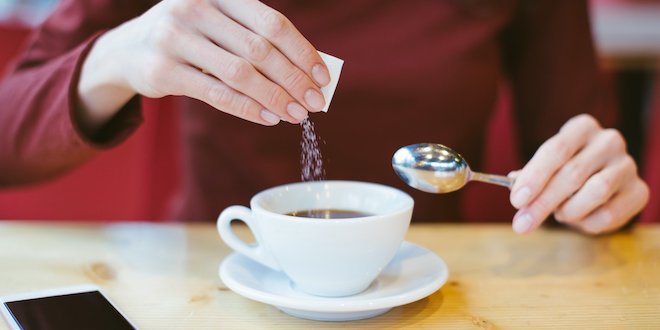
Avoid adding sugar or honey to the tea you drink at home, as both sweeteners will offset the positive health benefits of the tea itself. Added honey and sugar can bring your blood glucose levels up. There are artificial sweeteners that will not impact blood sugar or have very low impact on blood sugar. These include Stevia and sucralose (Splenda).
The comparison chart shows that bubble tea and sweetened iced teas are among the worst options due to their high sugar content.
Is iced tea good or bad for blood sugar control?
It depends. Iced tea sweetened with sugar is not recommended for a diabetes diet. Unsweetened tea, on the other hand, should not impact blood sugar levels and in fact can be beneficial.
First, a look at the iced teas you should stay away from. This includes the classic Southern sweet iced tea, a staple of summer dinner tables and barbecues. The high sugar content can wreak havoc on blood sugar levels and should be avoided if you have diabetes.
Many brand-name iced teas available in grocery stores fall into this category. They contain as much sugar as soft drinks – or more! – and have the same impact on blood sugar.
Unsweetened iced tea is your best choice. No calories and no sugars equals better health and better diabetes management. You can make it at home or buy unsweetened iced tea in stores in Canada, sold by brands such as Pure Leaf and Gold Peak. Did you know Chick-fil-A also sells brewed unsweetened tea by the gallon?
How does bubble tea affect blood sugar?
Be very cautious with bubble tea. The Taiwanese tea-based drink has become popular with young and old alike. It features tapioca pearls – or “boba” – with tea, milk, fruit flavours and sweeteners.
Bubble tea earns high marks for flavour and creativity, but scores quite low on health benefits. In fact, bubble tea is often packed with sugar and fat and is high in calories and carbohydrates. This makes it one of the worst choices of beverage for people living with diabetes.
Having said that, there are ways to enjoy bubble tea from time to time. You can ask for a low-sugar option, with skim milk and skip the boba and other sugary garnishes. Also, buy the smallest serving available as the serving sizes for bubble tea are larger than many other drinks.
From Blood Sugar Friendly to Spike-Worthy: How Popular Teas Compare
| Tea | Serving Size | Sugar (g) | Calories | Fat | Carbohydrates | Blood Sugar Friendliness |
|---|---|---|---|---|---|---|
| Black tea, unsweetened | 240 ml | 0 grams | 2-3 | 0 g | 0 grams | |
| Unsweetened herbal tea | 240 ml | 0 grams | 0 | 0 g | 0 g | |
| Pure Leaf Unsweetened iced tea | 250 ml | 0 grams | 0 | 0 g | 0 grams | |
| Black tea with low-fat milk | 240 ml | 1-2 grams | 10 | 0.5 g | 1-2 grams | |
| Black tea with one tsp sugar or honey | 240 ml | 5 grams | 25 | 0 g | 4-8 grams | |
| Lipton Black Iced Tea with lemon | 250 ml (half bottle) |
12.5 grams | 90 | 0 g | 12.5 grams | |
| Fuze Iced Tea White Peach | 250 ml (half bottle) |
12 grams | 45 | 0 g | 12.5 grams | |
| Starbucks Iced Green Tea lemonade | 473 ml | 11 grams | 50 | 0.1 g | 12 grams | |
| Arizona Lemon Iced Tea | 200 mL tetra pack | 18 grams | 80 | 0 | 18 grams | |
| Starbucks Matcha Latte | 473 ml | 29 grams | 220 | 6 g | 31 grams | |
| Starbucks Honey Citrus Mint Tea | 473 ml | 30 grams | 130 | 0 g | 33 grams | |
| Arizona Lemon Iced Tea | 680 mL | 34 grams | 140 | 0 g | 35 grams | |
| Sharetea Classic Pearl Black Milk Tea (Bubble Tea) | 475 ml (Small serving) |
21 grams | 403 | 9 g | 76 grams | |
| Sharetea Taro Pearl Milk Tea (Bubble Tea) | 475 ml (small serving) |
26 grams | 482 | 11 g | 91 grams |
This comparison makes it clear which teas are best and worst for managing blood sugar.
What are simple ways to make tea more diabetes-friendly/bottom line for choosing tea?
The best way to enjoy tea with diabetes is to choose an unsweetened hot or iced tea. If you prefer a sweeter taste, add less than a teaspoon of sugar or honey for flavour. You can also opt for an artificial sweetener.
Avoid processed sweet tea at the grocery store, and sweet and creamy tea drinks at the coffee shop. Try to stay away from bubble tea. If you drink it, ask for a low-sugar option and skip the boba garnish.
Your three-step action plan for tea and blood sugar control:
Today: Drink one cup of unsweetened iced or hot tea. Add lemon for flavour.
This week: Avoid buying tea at the grocery store or coffee shop with added sugars and creams.
This month: Try to eliminate bubble tea and other teas with additives and garnishes from your diet.
Conclusion:
Tea served hot or cold can provide benefits for blood sugar management – but simple is best. Be wary of added sugars and extra ingredients. At the coffee shop, stick with simple teas and limit the use of sugars, milk and creams. Most bubble teas should be avoided, as they are often loaded with calories, sugars and fat.