
Blood sugar targets remain a key part of diabetes management and continue to guide treatment decisions for people living with diabetes. While the core recommended ranges have stayed largely consistent, modern care now places greater emphasis on individualization, safety, and the use of tools like continuous glucose monitoring. Understanding these targets helps people make more informed choices about food, medication, and daily glucose management.
Article Highlights
- Understand simple blood sugar targets to help keep diabetes well managed
- Use CGM “time in range” to see patterns beyond single blood sugar readings
- Apply fasting and after-meal targets to guide everyday food and medication choices
- Personalize goals based on age, health, and hypoglycemia risk for safer control
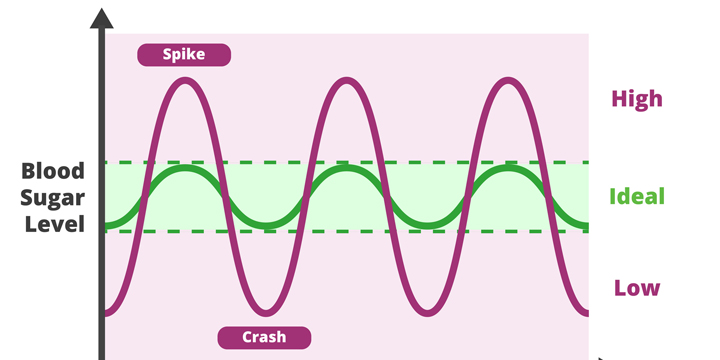
Keeping your blood sugar levels in their target ranges is very important. When blood sugar levels drop too low, this results in hypoglycemia, which can make you feel light-headed, nauseous and unable to concentrate. Very low blood sugar levels (severe hypoglycemia) can make you feel confused and disoriented, and you could even lose consciousness.
Blood sugar levels that are consistently too high cause hyperglycemia, which can lead to a number of complications, including heart disease, eye disease, kidney disease and nerve disease.
That’s why it’s important to know your target blood sugar ranges and stay within them as much as possible.
Blood glucose targets for people with diabetes
The recommended targets for most people with diabetes are as follows:
- Fasting blood glucose / blood glucose before a meal: 4.0 to 7.0 mmol/L
- Blood glucose two hours after eating a meal: 5.0 to 10.0 mmol/L (or 5.0 to 8.0 mmol/L if your A1C targets are not being met)
Blood sugar targets are not the same for everyone living with diabetes. Today, care is more individualized, meaning goals are adjusted based on factors like age, how long someone has had diabetes, other health conditions, and the risk of low blood sugar. For example, younger, healthier individuals may be able to safely aim for tighter control, while older adults or those at higher risk of hypoglycemia may benefit from slightly higher, more flexible targets. This personalized approach helps balance good glucose control with overall safety and quality of life.
Blood glucose targets can differ in some special populations, including children, pregnant women and elderly people.
Blood glucose targets during pregnancy
The recommended targets during pregnancy – whether you have type 1 or type 2 diabetes, or gestational diabetes – are as follows:
- Fasting blood glucose / blood glucose before a meal: ≤ 5.3 mmol/L
- One hour after a meal: ≤ 7.8 mmol/L
- Two hours after a meal: ≤ 6.7 mmol/L
- A1C ≤ 6.5% (ideally ≤ 6.1%)
Learn more about managing diabetes that occurs during pregnancy and managing diabetes when you become pregnant.
Blood glucose targets in elderly people
The recommended targets for older adults are individualized and primarily guided by overall functional status, level of frailty, comorbidities, and risk of hypoglycemia, rather than a one-size-fits-all glycemic goal.
Functionally independent: A1C ≤ 7.0%
Functionally dependent: A1C 7.1–8.0%
Frail and/or dementia: A1C 7.1–8.5%
End of life: A1C measurement is generally not recommended. The priority is preventing symptomatic hyperglycemia and severe hypoglycemia.
The recommended targets for the elderly Learn more about blood glucose targets for elderly people with type 2 diabetes.
Blood glucose targets in babies and children
A1C: For most children and adolescents < 18 years of age, the standard target is ≤ 7.5%. Targets should be individualized and may be higher if there is risk for hypoglycemia, especially in younger children.
How to test?
There are two main ways to check blood sugar today: traditional blood glucose meters and continuous glucose monitoring (CGM). A blood glucose meter gives a single snapshot of your level at that moment, usually using a finger-prick test. This is still widely used to check fasting levels, before meals, or when you need a quick confirmation.
CGM systems, on the other hand, track glucose levels throughout the day and night using a small sensor worn on the body. They provide real-time readings, trend arrows, and alerts for highs and lows, helping you see how food, activity, and medication affect your blood sugar over time. Time in Range (TIR) is the percentage of time your glucose levels remain within a healthy targeted range (usually between 3.9 and 10 mmol/L). Recent international guidelines recommend that time in range (TIR) for most adults with type 1 or type 2 diabetes should be 70%.
Many people now use both methods together, depending on their treatment plan, to get a more complete picture of their glucose control. It is important to discuss what your individual targets should be, whether using blood glucose monitors or a continuous glucose monitoring system.
3 Quick Action Steps to Better Blood Sugar Control
Step 1: Do check your blood sugar or CGM reading before breakfast today—you’ll understand your baseline fast.
Step 2: Try using CGM or meter readings daily before and after meals—you’ll start seeing clearer patterns quickly.
Step 3: Set a simple weekly review of readings and “time in range”—you’ll improve control and feel more stable energy.
If you have diabetes, it’s important that you keep your blood glucose as close to target range as possible. This will help to delay or prevent complications of diabetes. Maintaining healthy eating habits and an active lifestyle, and taking your medications as prescribed, will help you keep your blood glucose levels within their target range.