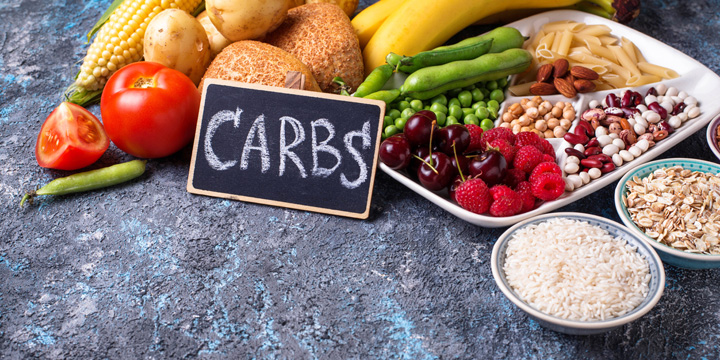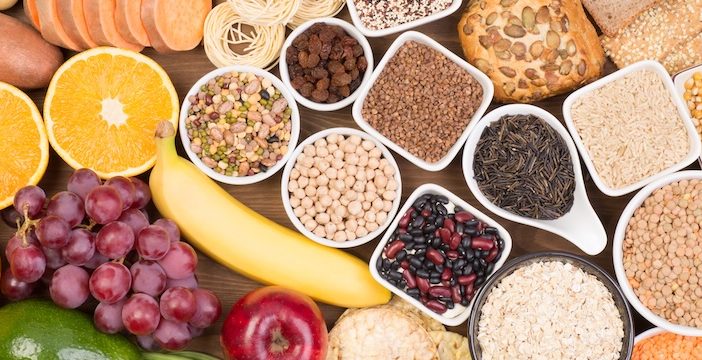
Carbohydrates are the macronutrient that the human body requires in the largest amounts. This is because carbohydrates are the body’s main source of fuel and are needed for organs and tissues to function properly. Carbohydrates can also be stored in the body and used later for energy.
That’s why it’s important that everyone consume carbohydrates as part of their daily meal plan. In fact, the Diabetes Canada clinical practice guidelines recommend that 45% to 60% of a person’s daily food intake should be composed of carbohydrate-containing foods.
Article Highlights
- Carbohydrate content can vary widely between similar foods and serving sizes.
- Learn which food categories contain carbohydrates.
- Discover where hidden or unexpected carbohydrates can add up.
- Use food labels and portion sizes to estimate carbohydrate intake.
- Choose higher-fibre carbohydrate foods more often.
The carbohydrate content can vary among the same types of food. We’ll review some common sources of carbohydrate here.
Where do carbohydrates come from?
Carbohydrates are found in many foods—not just bread, rice and pasta. Knowing which foods contain carbohydrates, how much they contain and what to look for can help you make balanced choices and better manage your blood sugar. Here are some common carbohydrate-containing foods and tips for choosing them.
Bread, grains and cereals
Bread, rice, pasta, oats, cereal, crackers and other grain products are common sources of carbohydrate. The amount can vary considerably between foods and brands, so portion size and the Nutrition Facts table are important to consider.
A typical portion of a carbohydrate-containing grain food is about 15–30 g of carbohydrate, depending on your individual needs. This could be approximately 1 slice of bread, ½ cup cooked rice or pasta, ½–¾ cup cooked oatmeal, or ¾–1 cup of many breakfast cereals. Check the Nutrition Facts table because carbohydrate amounts can vary.
What to choose: Choose whole-grain and higher-fibre options more often, such as whole-grain bread, oatmeal, barley, brown rice and whole-grain pasta. When possible, look for foods with at least 2–3 g of fibre per serving and compare total carbohydrate between similar products.
Starchy vegetables
Potatoes, sweet potatoes, corn, peas and winter squash contain more carbohydrate than non-starchy vegetables. They also provide important nutrients and fibre, so there is no need to avoid them. The key is to be mindful of portions.
A typical portion is about ½ cup cooked for foods such as corn, peas, sweet potato or winter squash. For potatoes, this is roughly ½ of a medium potato. A ½-cup serving of most starchy vegetables provides approximately 15–20 g of carbohydrate, although amounts vary.
What to choose: Choose whole or minimally processed starchy vegetables more often. Aim for about ½ cup cooked as a starting portion and pair them with non-starchy vegetables and a source of protein. Choose baked, boiled or roasted potatoes more often than fries or other highly processed versions.
Beans, lentils and chickpeas
Beans, lentils and chickpeas contain carbohydrate but also provide protein and fibre. This combination can make them a nutritious and satisfying addition to meals.
What to choose: Choose beans, lentils and chickpeas regularly. When using canned varieties, look for options with little or no added sodium and check the serving size and total carbohydrate.
Fruit
Fresh, frozen and canned fruit all contain carbohydrate, mainly from naturally occurring sugars. Dried fruit and fruit juice are more concentrated sources, so it is easy to consume a larger amount of carbohydrate in a smaller portion.
What to choose: Choose whole fresh or frozen fruit most often. For canned fruit, choose varieties packed in water or their own juice rather than syrup. Keep portions of dried fruit and juice smaller.
Milk and yogurt
Milk and yogurt contain carbohydrate naturally in the form of lactose. Flavoured and sweetened products may contain additional sugars, so carbohydrate amounts can differ significantly between products.
What to choose: Choose plain or lower-sugar yogurt and unsweetened milk or fortified alternatives more often. Compare total carbohydrate and added sugars when selecting products.
Snack foods
Crackers, popcorn, pretzels, granola bars and other packaged snacks can contribute a significant amount of carbohydrate. It can also be easy to eat more than the serving size listed on the package.
What to choose: Look for higher-fibre snacks that also provide protein, such as nuts, plain yogurt or whole-grain crackers with cheese. Check the serving size and total carbohydrate.
Beverages
Carbohydrates can come from drinks as well as food. Regular soft drinks, fruit juice, sweetened coffee and tea drinks, smoothies and sports drinks may contain considerable amounts of carbohydrate without making you feel full.
What to choose: Choose water and other unsweetened beverages most often. If you choose a higher-carbohydrate drink, consider a smaller serving and check the Nutrition Facts table when available.
Desserts and sweets
Cookies, cakes, pies, ice cream, candy and chocolate contain carbohydrate and often added sugars. These foods can still be enjoyed as part of an overall healthy eating pattern.
What to choose: Choose smaller portions and enjoy them occasionally. When comparing products, check total carbohydrate and added sugars, but remember that you don’t need to completely avoid your favourite treats.
Condiments and sauces
Ketchup, barbecue sauce, sweet chili sauce, teriyaki sauce and some salad dressings can contain carbohydrate and added sugars. Although a small amount may contribute little carbohydrate, larger portions can add up.
What to choose: Choose lower-sugar options when available and use sauces and condiments in moderate amounts. Measuring your portion can be helpful when a sauce is particularly high in carbohydrate.
Prepared and restaurant foods
Restaurant meals, takeout and prepared foods can be more difficult to assess because recipes and portion sizes vary. Foods such as pizza, sandwiches, wraps, soups and casseroles may contain carbohydrate from several ingredients.
What to choose: Look for meals that include vegetables, a source of protein and a moderate portion of carbohydrate. Check nutrition information when available and be mindful of portion sizes.
3-Step Action Plan: Make Carbs Count
1. Check your portions – Compare your serving with the Nutrition Facts serving size.
2. Find the carbs – Check labels for total carbohydrate in packaged foods and drinks.
3. Choose wisely – Pick higher-fibre, less processed carbohydrate foods more often.
While carbohydrates are important for your overall well-being, choosing healthier carbohydrates will ensure that you get the most nutritional bang for your buck.