If you live with diabetes, taking medication is part of your routine—but that doesn’t mean it’s always easy to remember. Busy mornings, schedule changes, or just a lot on your mind can lead to missed doses. It happens.
Article Highlights
- Missing a dose happens—focus on getting back on track
- Link medication to daily habits to make it automatic
- Simple tools like reminders and pill boxes can help
- Small improvements in consistency can support better blood sugar
The goal isn’t perfection. It’s building a routine that works in real life—so taking your medication becomes easier and more consistent over time.
Here are eight simple strategies that can help.
1. Tie your medication to a daily habit
One of the easiest ways to remember is to connect your medication to something you already do—like eating breakfast, brushing your teeth, or making coffee. When it’s part of an existing routine, it’s easier to stick with.
2. Set reminders that fit your day
Phone alarms, calendar alerts, or app notifications can help—especially if they’re timed to when you actually take your medication. Choose a reminder you’ll notice and respond to.
3. Use a pill organizer
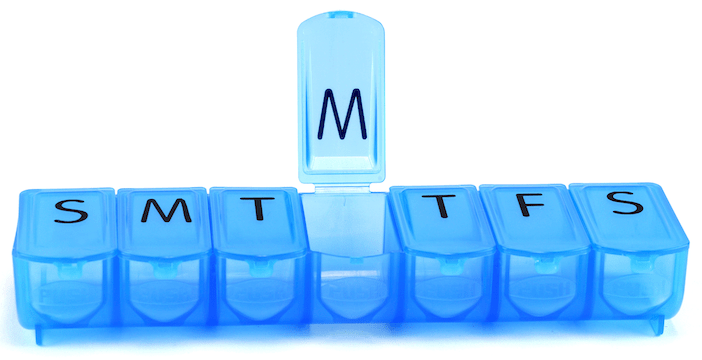
A weekly pill box can help you stay organized and quickly see if you’ve taken your dose. It also reduces the chance of missing or accidentally repeating a dose.
4. Keep medication visible (and safe)
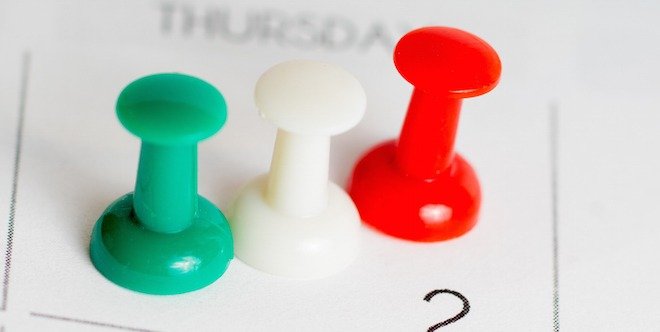
If it’s out of sight, it’s easier to forget. Keeping your medication in a spot you see every day—while still storing it safely—can act as a helpful visual reminder.
5. Keep an extra dose handy
Having a backup dose in your bag, at work, or in your car can help when your routine changes or you’re away from home. If you keep medication in your car, be mindful of temperature extremes—heat and freezing conditions can affect how well some medications work, so store them in a temperature-stable container and avoid leaving them in the car for long periods.
6. Simplify your schedule if possible
If your medication routine feels complicated, speak with your pharmacist or healthcare provider. There may be options to make your schedule easier to manage.
7. Use technology as support
Medication reminder apps or timers can take some of the pressure off your memory—especially on busy days.
8. Focus on progress, not perfection
If you miss a dose, try not to be hard on yourself. Instead, think about what might help next time. Even small changes can improve consistency.
3-Step Action Plan: Build a Routine That Works
Step 1: Anchor it to your day
Choose one daily habit (like breakfast or bedtime) and take your medication at the same time.
Step 2: Add one reminder
Set a simple reminder—alarm, app, or visual cue—to reinforce the habit.
Step 3: Plan for busy days
Use a pill organizer or keep a backup dose with you so you’re prepared when routines change.
Taking your diabetes medication as prescribed helps keep blood sugar levels within your target range and supports your long-term health. You don’t have to be perfect. But being more consistent—most of the time—can make a real difference.