
Many people with type 2 diabetes need medication (and sometimes more than one diabetes medication) to manage their blood glucose levels.
Oral diabetes medications (taken by mouth)
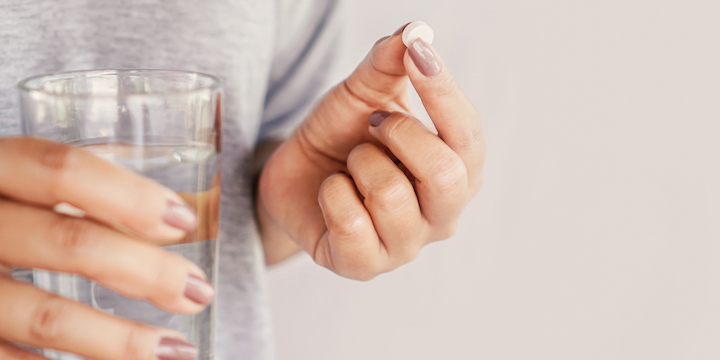
Metformin
This is a common medication used for type 2 diabetes and is often the first one that is prescribed. It decreases glucose production from the liver and therefore lowers blood sugar.
Thiazolidinediones (e.g. pioglitazone, rosiglitazone)
These medications decrease insulin resistance, the inability of cells in the body to respond appropriately to insulin by removing glucose from the blood.
Sulfonylureas (e.g. glyburide, gliclazide, glimepiride)
Sulfonylureas continuously stimulate the release of insulin from the pancreas.
DPP-4 Inhibitors (e.g. sitagliptin, saxogliptin, linagliptin, alogliptin)
Inhibiting the enzyme DPP-4 increases the level of a hormone named GLP-1. GLP-1stimulates insulin production and decreases production of glucagon when glucose levels are too high.
SGLT-2 Inhibitors (e.g. canagliflozin, dapagliflozin, empagliflozin, ertugliflozin)
This class of medication lowers blood sugar by causing the kidneys to removexcess glucose through the urine. SGLT2-inhibitors wor independently of insulin.
Combination drugs
There are several combination oral medications available in Canada. Usually, they include metformin plus a medication from another drug class, but they may also be a combination of a DPP-4 inhibitor and an SGLT-2 inhibitor. The combination medications are generally more effective and potentially reduce side effects compared to taking multiple drugs separately. Combination medications are also
more convenient as they reduce the number of times a medication is needed.
Six quick and easy medication tips that you may not know about!
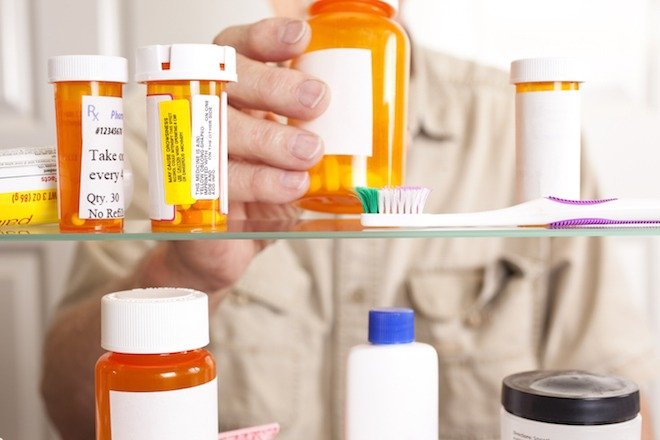
If you are taking medications to manage your diabetes, here are a few tips to help keep you on track with your regimen.
Top 10 tips for remembering diabetes medications
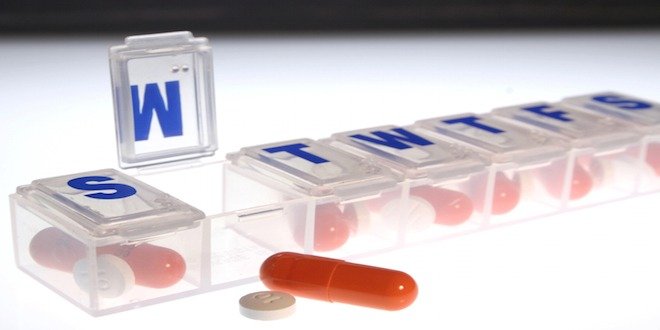
Never miss a medication again. Check out these top 10 tips for remembering to take diabetes medications.