Borderline diabetes, also known as prediabetes, is a condition that can develop before type 2 diabetes. It means that your blood sugar levels are higher than normal, but not high enough to meet the criteria for diabetes. Prediabetes is the medical term used to describe this condition.
Article Highlights
- Learn what “borderline diabetes” really means and why it is also called prediabetes.
- Find out which blood tests can identify prediabetes before type 2 diabetes develops.
- See the blood sugar ranges that distinguish prediabetes from diabetes.
- Discover the risk factors that can increase your chances of developing prediabetes.
- Learn what you can do now to help prevent or delay type 2 diabetes.
Does having prediabetes mean you will develop diabetes at some point?
People with prediabetes are at increased risk of developing type 2 diabetes, although not everyone with prediabetes will develop diabetes. Like type 2 diabetes, borderline diabetes can happen without you even knowing it, because many people don’t have any symptoms at all. That’s why knowing your risks and getting tested are important. This is especially important if you have prediabetes along with other risk factors that make up what is known as “metabolic syndrome.” Metabolic syndrome is the name for a group of risk factors that increase your risk of heart disease, diabetes and stroke.
Are there any risk factors for developing prediabetes or type 2 diabetes?
The main risk factors for prediabetes and type 2 diabetes include:
- Being overweight
- Carrying excess weight around the waist
- Being 40 years of age or older
- Having a family history of diabetes
- Being a member of a population at higher risk of type 2 diabetes
- Having high blood pressure
- Having low HDL (“good”) cholesterol or high triglycerides
Several blood tests can be used to identify prediabetes or diagnose diabetes. The three commonly used tests are:
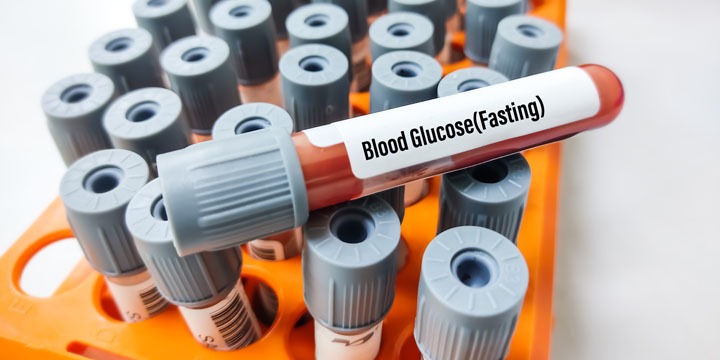
- The fasting blood glucose test checks your fasting blood glucose levels. (Fasting means not having anything to eat or drink – except water – for at least eight hours before the test. This test is usually done first thing in the morning, before breakfast.
- The oral glucose tolerance test is a two-hour test that checks your blood glucose levels right before and then two hours after you drink a special sweet drink. This test shows how your body processes glucose.
- The A1C test reflects your average blood glucose level over approximately the past two to three months.
The table below shows the test results for borderline diabetes or diabetes.
| Test | Borderline diabetes (prediabetes) | Diabetes |
| Fasting blood glucose | 6.1 to 6.9 mmol/L | ≥ 7.0 mmol/L |
| Oral glucose tolerance test | 7.8 to 11.0 mmol/L | ≥ 11.1 mmol/L |
| A1C | 6.0% to 6.4% | ≥ 6.5% |
If you do not have symptoms of high blood sugar and a test result is in the diabetes range, a repeat test is generally needed to confirm the diagnosis.
It is important to know if you have borderline diabetes (prediabetes) because some health complications associated with diabetes, including cardiovascular complications, may begin during prediabetes.
The good news is that if you have been diagnosed with borderline diabetes (prediabetes), taking steps to manage your blood sugar and improve your overall health can help delay or prevent type 2 diabetes.
You may be able to lower your blood sugar levels with lifestyle changes, such as increasing your physical activity and following a healthy eating pattern. If you are overweight, losing even 5% to 10% of your body weight through healthy eating and regular physical activity can make a meaningful difference to your health and quality of life.
3-Step Action Plan to Reduce Your Risk of Type 2 Diabetes
1. Know your risk
Take the CANRISK questionnaire or talk with your healthcare provider about your risk.
2. Move more
Add regular physical activity to your weekly routine.
3. Build healthy habits
Choose nutritious foods and, if needed, work toward modest weight loss.
If you have borderline diabetes (prediabetes), you can take steps today to improve your health and lower your risk of developing type 2 diabetes. Talk with your healthcare provider about the changes that are right for you.