
Diabetes and smoking are two conditions that make each other more difficult to manage. This ‘double hit’ greatly increases your risk of heart attacks and strokes, among many other health problems.
Quitting smoking is one of the best changes you can make when you have diabetes—and there is real help available.
Highlights
- Smoking and diabetes are a risky mix. Together, they can damage blood vessels over time and can’t be reversed.
- Blood sugar is harder to control when mixed with smoking.
- The risk of serious complications goes up with smoking. This includes heart attack, stroke, kidney disease, vision problems and nerve damage.
- Health benefits can begin soon after stopping smoking, and continue over time.
- Support is available. A doctor, pharmacist, or quit-smoking service can help you make a plan and stay on track. Sometimes more than one attempt is necessary, and that’s okay.
What is the connection between diabetes and smoking?
Smoking and diabetes are a dangerous mix because they worsen each other’s impact on your body. While high blood sugar stresses your blood vessels, smoking adds a second layer of damage. This significantly increases the risk of heart disease, kidney issues and nerve damage. Even occasional smoking is harmful, but your risks for complications increase the more you smoke each day, and the longer you have been a smoker.
How does smoking affect blood sugar and diabetes management?
When you smoke regularly, your blood sugars become harder to control over time. This is seen in several ways:
- Smoking on its own makes it harder for your body to keep blood sugars in a healthy range. Even if you are careful with your diet and activity, tobacco chemicals can make your body less responsive to many diabetes medications.
- People who smoke are more than twice as likely to experience severe low blood sugar hypoglycemia. These episodes can be dangerous because they may lead to dizziness, confusion, fainting, or falls.
- Smoking leads to greater “variability,” meaning your blood sugar levels can bounce up and down more unpredictably rather than staying steady throughout the day.
- Tobacco use is linked to longer periods of high blood sugar (hyperglycemia). Staying “high” for too long increases the risk of long-term damage to your heart, kidneys and nerves.
There is also emerging research suggesting that using e-cigarettes can raise a healthy person’s risk of developing diabetes in the future. The details are yet to be fully understood.
What complications are more likely if you have diabetes and smoke?
Smoking and diabetes together damage your blood vessels much faster than either one alone. Think of it as an already rusty pipe that’s also under constant stress from heat and pressure. These issues add up and can wear the system down faster.
Here are the main health complications that become more likely when you smoke and have diabetes:
- Heart attacks and strokes: Smoking narrows blood vessels. Uncontrolled diabetes causes them to become inflamed. Together, they are among the biggest factors for short- and long-term risk for heart disease and stroke.
- Kidney damage: Your kidneys rely on tiny vessels to filter toxins out of your blood. Both smoking and diabetes damage those vessels, raising your risk of developing chronic and irreversible kidney disease.
- Vision problems: Damaging the small blood vessels that deliver oxygen to your eyes can lead to progressive vision loss over time, and it can be difficult to notice these changes from day to day.
- Nerve damage: Poor circulation from diabetes and smoking can cut off blood flow to the many nerves your body relies on to sense and send signals. This can cause pain, tingling or numbness—especially in your feet and legs.
The risk for heart disease and stroke is much higher once you start smoking more than one pack of cigarettes per day. This risk is even greater when diabetes is already in the overall picture.
Can quitting smoking improve diabetes health?
Yes! Quitting smoking can significantly improve your diabetes health. Once your body stops being exposed to tobacco and other risky nicotine products, your blood vessels start to heal. The risk of complications will start to come down, even if things feel hard to notice at first.
The benefits of smoking cessation are well-supported by research. Here is a snapshot:
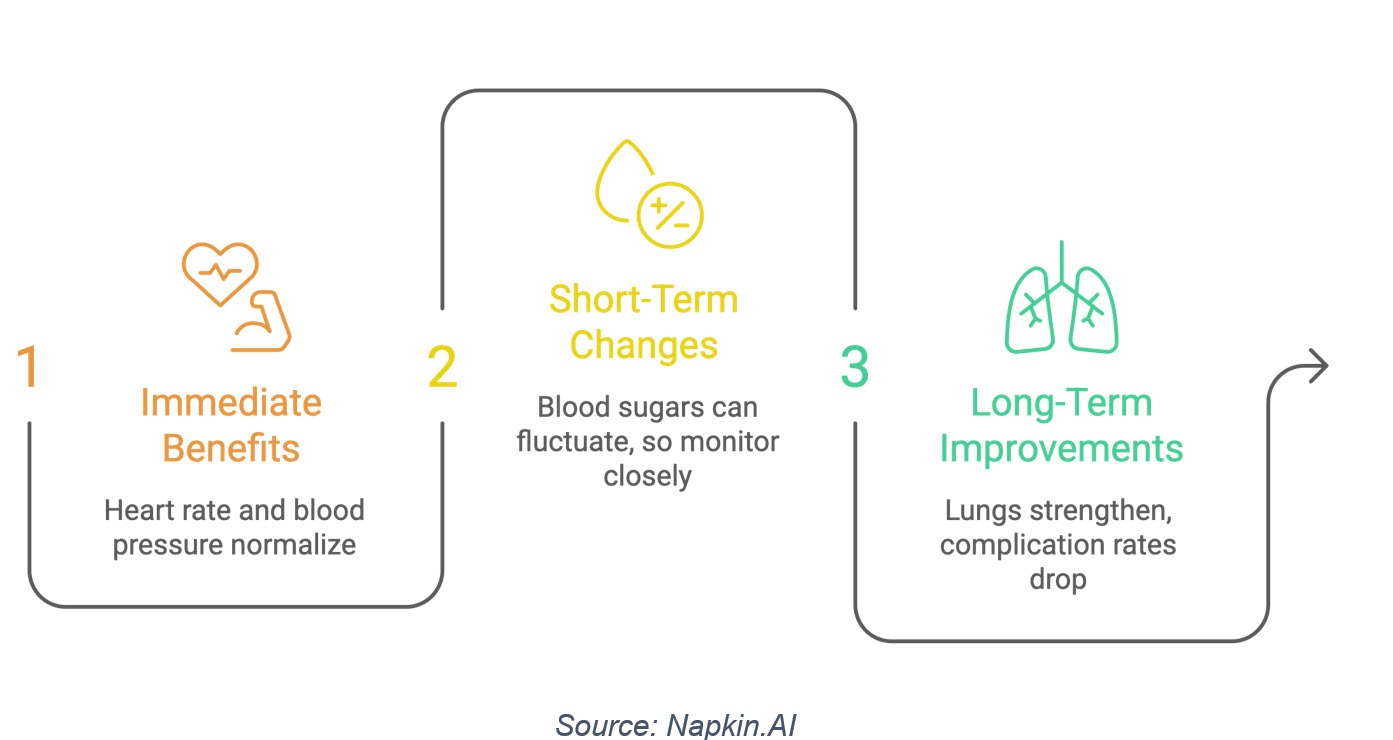
- Within hours your heart rate and blood pressure can start to normalize as carbon monoxide (a byproduct of burning cigarettes) leaves the blood.
- Within the first few weeks your blood sugar can start to fluctuate. This is normal and expected in many people. It’s important to monitor for changes closely, stay in touch with your care team, and follow their advice.
- After the first few months your blood circulation improves. Your lungs get stronger. Some weight gain is common, but manageable with the right support systems and medications.
- In the long-term your risk of heart attacks, strokes, blindness and kidney disease drop dramatically. The long-term benefits are well worth it.
Why is it often harder for people with diabetes to quit smoking?
If you have diabetes, you might find it extra tough to kick the habit. Your body and mind face a unique set of challenges during the quitting journey, including:
- Insulin sensitivity shifts: Stopping nicotine can change how your body reacts to the main hormone responsible for keeping blood sugars in check—either with your body’s natural levels or if it is used as part of your diabetes therapy.
- Weight gain concerns: People with diabetes can start to gain some weight after quitting, which can be distressing and discourage you from continuing.
- Stressing and coping: Many people turn to smoking to handle many stressors in their lives. That’s why it’s important to also identify and address these barriers within your smoking cessation plan.
- Hormone changes: Some components of cigarettes can mess with how your natural hormones are balanced, which can affect your mood, motivation and overall energy levels.

What strategies can help people with diabetes quit smoking?
Successfully quitting smoking involves having the right tools and getting appropriate supports. Here are some things to be aware of:
- Medications: Products such as nicotine gum, patches or prescription options such as varenicline, can make it easier to handle withdrawal symptoms, weight changes, or blood sugars. Not every option works for everyone, so the best approach is to check with a healthcare professional to find out which is best for you.
- Managing habits and mindset: Identifying moments or stressors that trigger your urge to smoke can help you find ways to replace those cues with healthier coping strategies. Having brief check-ins with a support group, counsellor or pharmacist can help keep your motivation high and your stress levels manageable.
- Being kind to yourself: Quitting is a big change at any point in life, and it is normal to feel overwhelmed. If you have a slip-up, there’s no need to feel ashamed. Resources are available to help revise your plan and get you to try again. Each time you try increases the chances of kicking your smoking habit for good.
Where can Canadians get help to quit smoking?
The most important step is deciding to quit smoking. You should not feel forced or shamed into this choice. Quitting is a process and it is normal to try more than once.
You do not have to do this alone either. Experts can give you the right tools to succeed:
- Your doctor can prescribe medications to help you quit and monitor your health progress as your body changes.
- Your pharmacist can offer advice on over-the-counter options, lifestyle changes, and provide specific medication recommendations in conjunction with your doctor. In most provinces, pharmacists are able to prescribe smoking cessation medications. Many government-funded programs also cover the cost of medication if written by a pharmacist, often for a limited time.
- Counselling and support services: Two examples include Smoker’s Helpline, a free and confidential service operated by the Canadian Cancer Society, and free provincial and territorial services from Health Canada. Trained specialists can provide counselling, help develop a quit smoking plan, answer any questions and provide referrals to programs and services in your local community. All provinces and territories offer this service free of charge, and can be reached at 1-866-366-3667.
3-step action plan
Build your support team: Talk to your doctor or pharmacist. Share your goals and discuss your options for quitting. Join a support group to stay motivated with like-minded individuals.
Set a date and watch your numbers: Pick a firm, short-term quit date. Monitor your blood pressure, blood sugar and weight more frequently. Work with your care team to adjust your treatment plan.
Stay positive and persistent: Quitting smoking is a marathon, not a sprint. Be patient with yourself as you make this change. Relapses can happen but always remember to never quit quitting!
If you live with diabetes, quitting smoking is one of the most important steps you can take to protect your health. Smoking can make diabetes harder to manage and raises your risk of serious problems such as heart disease, stroke, kidney damage and poor circulation. With the right support from your healthcare team, quitting becomes more achievable, and every step you take away from smoking helps improve your overall health.