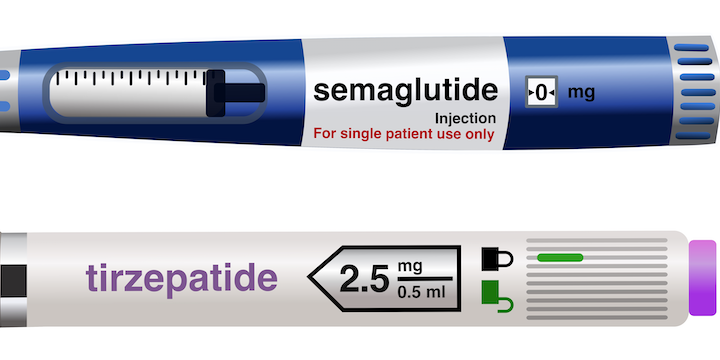
GLP-1 receptor agonists, such as semaglutide and tirzepatide, can help manage diabetes and support weight loss for many people. These medications work by helping the body better regulate blood sugar, slowing digestion and increasing feelings of fullness, which can reduce appetite. Together, these effects can support improved blood sugar control and weight management.
Like all medications, GLP-1 therapies may cause side effects. Some individuals notice stomach or digestive symptoms, changes in mood or muscle loss.
As more people start these medications, it’s normal to have questions about how they work, why side effects can happen, and what you can do to feel your best while taking them. For this reason, healthcare providers carefully review each person’s overall health before starting treatment and continue to monitor their progress over time. This helps ensure the medication is used safely and effectively, with adjustments made as needed to support overall well-being.
This guide will explain what to expect when taking GLP-1s and share practical steps you can take throughout your treatment.
Why do GLP-1 medications cause side effects?
GLP-1 medications mimic a hormone that your body naturally releases after eating. This hormone helps regulate blood sugar, slows how quickly the stomach empties, and sends signals to the brain that contribute to feeling full.
Because of these actions, side effects can occur—especially when starting treatment. The severity and duration of side effects are often related to the dose. Higher doses may lead to stronger symptoms, which is why treatment usually begins with a lower dose that is gradually increased so the body has time to adjust.
Since these medications directly affect the digestive system, many early side effects are related to digestion. When the stomach empties more slowly or appetite decreases quickly, the body may need time to adapt. Most people notice side effects during the first few weeks of treatment or after a dose increase, and for the majority, symptoms improve as the body adjusts.
What digestive side effects are most common with GLP-1 medications?
The most common side effects associated with GLP-1 medications are related to digestion and may be more noticeable at higher medication doses. For some individuals, this can be a challenge when starting or increasing treatment, which is why gradual dose increases and ongoing support are important.
The most commonly reported digestive side effects include nausea, bloating or feeling of fullness, heartburn, constipation, diarrhea and decreased appetite.
These symptoms vary from person to person, and not everyone experiences them. If they occur, they are usually mild to moderate and often improve after the first few weeks of treatment. Learning how to support your body during this adjustment period can make a big difference.
How do GLP-1 medications impact muscle?
GLP-1 medications can be associated with some loss of muscle (lean mass), but this effect is largely due to weight loss itself, rather than the medications. By suppressing appetite and slowing gastric emptying, GLP-1s create a calorie-restricted state. Research shows that with any significant weight loss—whether achieved through dieting, GLP-1 medications or surgery—approximately 25–40% may come from the loss of lean mass in addition to fat. This pattern is similar to what is observed with traditional calorie restriction.
Importantly, although absolute muscle mass may decrease, overall body composition often improves. GLP-1–related weight loss typically increases the proportion of lean mass relative to total body weight. In fact, studies of weight reduction consistently show benefits, such as improved insulin sensitivity, mobility and metabolic health, despite some muscle loss. Concern is greater in older adults or individuals with frailty but this risk exists with any aggressive weight-loss approach.

What are some other side effects to watch for when starting GLP-1s?
Other side effects may include dizziness, headache (often related to reduced liquid intake or dehydration), a mild increase in heart rate (raised resting heart rate by about 1–4 bpm) and local injection site reactions, such as redness or itching.
What are some “food hacks” to help manage GLP-1 side effects?
Simple food strategies can make a big difference in how you feel when taking GLP-1 medications. Here are some tips to consider:
- Eat smaller, more frequent meals: Large meals can worsen nausea or bloating, while smaller portions spaced throughout the day are often easier to tolerate.
- Focus on protein first: Protein helps protect muscle and keeps you feeling satisfied (e.g., eggs, yogurt, cottage cheese, chicken, tofu, beans or fish).
- Choose easy-to-digest foods on tough days: Soups, smoothies, oatmeal, crackers, scrambled eggs, or mashed vegetables can be gentler on the stomach.
- Stay hydrated—slowly: Sip water throughout the day rather than drinking large amounts at once.
- Include fibre gradually: Too much fibre too quickly can worsen bloating; add it slowly and pair it with adequate fluids.
These small adjustments can help you feel steadier as your medication dose increases.
Are there any foods that should be limited?
Yes, there are foods that will make you feel worse when taking GLP-1s. These include:
- High-fat or greasy foods, which stay in the stomach longer before digesting and can intensify bloating and nausea. Baking, steaming, grilling or roasting foods is a better option.
- Sugary and ultra-processed foods, which can quickly increase blood sugar and then cause it to drop, contributing to nausea or other GI effects.
- Alcohol, which can irritate the stomach and impact blood sugar. Both GLP-1s and alcohol affect the liver, so it is best to limit your alcohol intake.
What role do movement and strength training play in protecting muscle?
Movement is one of the best tools you have to preserve muscle and support long-term health. You don’t need intense workouts because consistency matters most. Weight loss, regardless of how it occurs, reduces both fat and lean mass. Physical activity provides the body with signals that help preserve muscle tissue during this calorie-restricted state.
Strength or resistance training
Even two or three short sessions a week can make a difference. This might include resistance bands, body weight exercises, light weights or guided routines. These movements will play a key role in helping to protect muscle while using GLP-1 medications. Resistance training is the most effective form of exercise for maintaining muscle mass and strength during weight loss.
Everyday activity
Regular movement also supports muscle function, insulin sensitivity and mobility, all of which are important for long-term metabolic health. Even when some reduction in muscle mass occurs, people who remain physically active tend to maintain better strength and physical performance compared with those who are inactive.
Activities such as walking, taking stairs, household tasks and gentle stretching all help protect muscle and support energy levels.
Staying active helps preserve muscle, supports metabolism, improves balance and enhances overall well-being during weight changes.
For individuals at higher risk—such as older adults or those with frailty—incorporating strength training is especially important. In these populations, movement helps reduce the risk of excessive muscle loss and supports independence and functional health during weight reduction.
When do side effects usually improve, and what is considered normal?
Most digestive symptoms improve within a few weeks, after the body adjusts to a new dose. Feeling full faster, mild nausea, or occasional constipation during dose changes is common.
Under normal circumstances you should expect:
- Symptoms that gradually improve
- Mild digestive changes
- Decreased appetite without difficulty eating altogether
For many people, symptoms peak in the first two to four weeks and may briefly worsen with each dose escalation. This happens because GLP-1s slow stomach emptying and affect appetite-regulating pathways in the gut and brain as the body adjusts.
Most patients notice clear improvement once they’ve been on a stable dose for several weeks. By six to eight weeks, side effects are usually mild or resolved, with appetite suppression feeling more controlled rather than uncomfortable. Ongoing mild nausea after injections or large, high-fat meals can still occur.
When should side effects be discussed with a healthcare provider?
While some side effects are to be expected, there are others that should not be ignored. Sometimes your pharmacist or prescriber can adjust your dose, suggest supportive strategies, or help determine whether symptoms require further follow-up.
If symptoms are severe, persistent or interfere with daily activities, it is important to reach out to your healthcare provider for guidance and support.
Seek emergency services if you experience:
- Persistent vomiting
- Severe abdominal pain
- Inability to keep food or fluids down
- Symptoms that worsen instead of improve
- Signs of dehydration
- Concerns about rapid or excessive weight loss
- Changes in mood, depression or suicidal thoughts
GLP-1 medications can be helpful for managing blood sugar and supporting weight-related goals, but it’s normal to have questions as your body adjusts. Small steps like eating slowly, staying gently active, and listening to your body can make the process more comfortable. If you’re ever unsure about what you’re experiencing or something doesn’t feel right, reaching out to your healthcare provider can help you feel supported and confident as you move forward with your treatment.