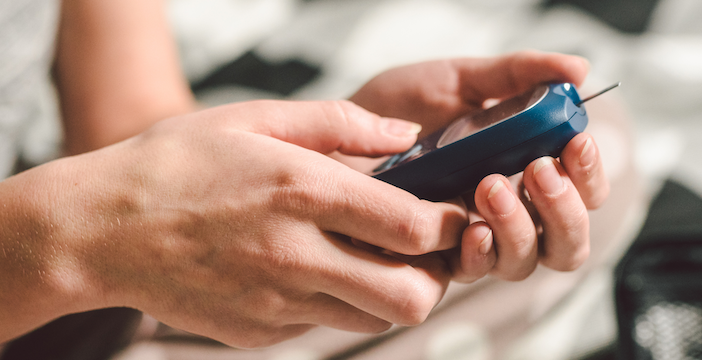
Have you ever wondered why you sometimes have high blood sugars in the morning for no apparent reason? You might be experiencing something called “the dawn phenomenon.” The dawn phenomenon describes a rise in blood glucose in the early morning, usually between approximately 3:00 a.m. and 8:00 a.m., in people with diabetes.
Article Highlights
-
Learn what causes the dawn phenomenon and high morning blood glucose.
-
Understand how hormones can raise blood glucose before breakfast.
-
Discover how to identify patterns in overnight glucose levels.
-
Explore ways to manage morning highs with your healthcare team.
-
Learn when medication or lifestyle changes may help.
What should blood sugar (glucose) levels be in the morning?
| Time of day | Target blood sugar levels |
| Fasting (before breakfast) | 4 to 7 mmol/L |
What causes the dawn phenomenon?
The dawn phenomenon occurs when hormones released during the early morning hours, including cortisol, growth hormone and glucagon, signal the liver to release glucose. In people with diabetes, the body may not produce enough insulin or respond to insulin effectively to keep blood glucose levels within target range. As a result, blood glucose levels may rise before breakfast.
Your blood sugar levels might also increase overnight if you do not take enough insulin the night before, or take too low a dose of other diabetes medications. Another reason why the dawn phenomenon might occur is if you consume a snack right at bedtime that contains carbohydrate. Other causes of high morning blood glucose include diabetes medication or insulin that does not last throughout the night, or blood glucose levels that were already high at bedtime.

Determining if you are experiencing the dawn phenomenon
If your blood glucose levels are frequently high in the morning, tracking your readings can help you and your healthcare team determine the cause. Check your blood glucose at bedtime, during the night and before breakfast over several days, if recommended by your healthcare team. If you use a continuous glucose monitor (CGM), review your overnight glucose patterns.
Check your blood sugars once during the night – around 3 a.m. or 4 a.m. – for two or three nights in a row, or at least over the course of a week. As well, test your morning blood sugar levels before breakfast, over that same period of time.
Share your results with your healthcare team so you can determine whether you are experiencing the dawn phenomenon or another cause of high morning blood glucose.
What can I do about the dawn phenomenon?
Managing high morning blood glucose depends on its cause. Your healthcare team can help you identify the reason for your elevated readings and determine whether changes to your medication, eating habits or physical activity may help.
Medication
Your healthcare team may recommend adjusting the dose or timing of your insulin or other diabetes medications, or switching to a different medication. People who use an insulin pump may be able to adjust its settings to provide more insulin during the early-morning hours.
All of these decisions should be made by both you and your healthcare team, to ensure that they work for your individual diabetes management plan and are compatible with your lifestyle
Lifestyle
Eating a balanced evening meal and avoiding large meals or carbohydrate-containing snacks close to bedtime may help some people manage overnight blood glucose levels. However, the effect of evening food intake varies from person to person. If you are hungry before bed, choose a snack that fits your diabetes management plan.
Physical activity can help lower blood glucose levels. If appropriate for you, consider a short walk after dinner or another form of light activity. However, exercise can sometimes cause blood glucose to drop during the night, particularly in people taking insulin or certain diabetes medications. Monitor your glucose levels and discuss any concerns with your healthcare team.
Understanding the cause of high morning blood glucose can help you and your healthcare team find an appropriate management approach. If your levels are consistently above your target range, seek advice rather than making medication changes on your own.