
If you are regularly checking your blood glucose levels, you can get the most out of your efforts by learning what the results mean.
Monitoring
What are the recommended blood sugar targets for people with diabetes?
Keeping your blood sugar levels in their target ranges is very important. When blood sugar levels drop too low, this results in hypoglycemia, which can make you feel light-headed, nauseous and unable to concentrate.
Continuous glucose monitoring: seeing is believing
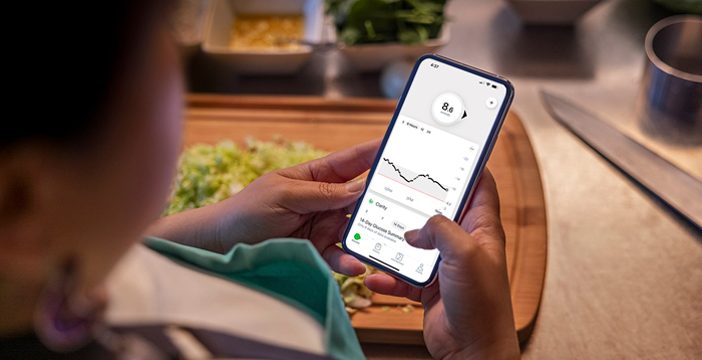
Can you guess the exact weight of something without a scale? The same applies to guessing what your glucose (sugar) level might be at any given time of the day. However, continuous glucose monitoring (CGM) devices make the invisible, visible.
Time in range: What is it? How do we measure it? Why is it important?
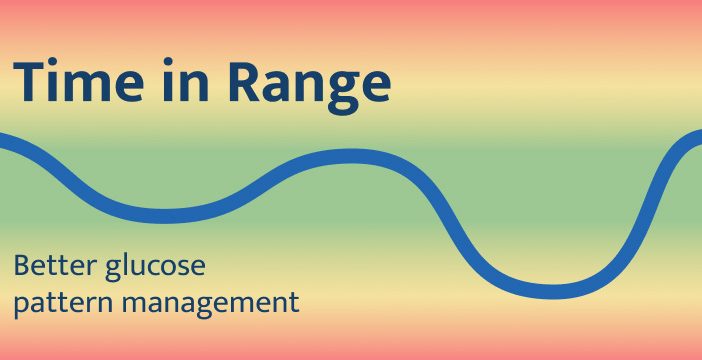
If you use continuous glucose monitoring, it’s important to know your time in range, which helps you better understand your glucose patterns. Read this expert blog to learn more about time in range.
Continuous glucose monitoring: is it right for me?

Continuous glucose monitoring (CGM) is a newer, accurate way to understand your glucose levels. Read this expert article to learn more about continuous glucose monitoring.
Tips for making the most of your continuous glucose monitoring system

Continuous glucose monitoring (CGM) systems are a welcome addition to the variety of devices that people with diabetes can take advantage of to ensure they keep glucose levels in check.