Certain medications that are used to help manage high blood glucose (sugar) can put you at risk for low blood sugars (hypoglycemia). Hypoglycemia can be dangerous if not treated properly. It is important to be prepared and have fast-acting carbs for low blood sugar treatment easily accessible.
Article highlights
- Treat hypoglycemia fast with simple sugars that work quickly
- Know the signs of hypoglycemia before symptoms become dangerous
- Keep fast-acting carbs nearby at home, work, during exercise and when travelling
- Retest blood sugar after 15 minutes to ensure safe recovery
- Build a hypoglycemia kit now to stay prepared anywhere
What puts you at risk for hypoglycemia?
Insulin, or other oral medications that help you secrete insulin, such as repaglinide (GlucoNorm®), glyburide or gliclazide (Diamicron®) can put you at risk for hypoglycemia. Being on too high of a medication dose, eating too little, delaying or missing meals, increased physical activity or illness can all increase your risk of hypoglycemia.
What are fast-acting carbohydrates (carbs) and why are they used to treat hypoglycemia?
Fast-acting carbs are simple sources of glucose (e.g., glucose tablets, juice, honey, etc.) that raise blood sugar quickly. Because they are quickly absorbed in the body, they’re commonly used to bring blood sugar back into a safe range when it drops too low.
How do you know if you are experiencing hypoglycemia?
Recognizing the symptoms of hypoglycemia is essential. Common symptoms may include trembling, sweating, anxiety, confusion, hunger or nausea. If you take medications such as insulin, repaglinide, glyburide or gliclazide and you notice any of these symptoms (or simply “feel off”), check your blood sugar to determine whether it is low.
What blood sugar level is considered hypoglycemia?
A blood sugar less than 4 mmol/L is considered too low. In this case, it is important to stop what you are doing and treat it with fast-acting carbs right away.
Hypoglycemia is classified into three levels based on the severity of symptoms and whether you can treat it on your own.
Level 1: your blood sugar is typically between 3.0-3.9 mmol/L and you may experience trembling, sweating, anxiety, heart racing, hunger, nausea or tingling. In this level, you can recognize these symptoms on your own and treat it yourself.
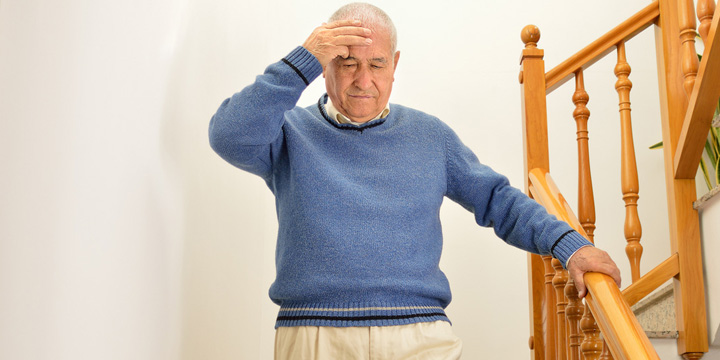
Level 2: your blood sugar is typically below 3.0 mmol/L and symptoms may include trouble concentrating, confusion, weakness, drowsiness, vision changes, slurred speech, headache or dizziness with or without symptoms from Level 1. In Level 2, you can still recognize that you are having hypoglycemia and treat it yourself.
Level 3: you may be very confused or disoriented or possibly even unconscious. You cannot recognize your symptoms and need help from someone else (e.g., a family member, friend, healthcare professional) to help treat your hypoglycemia.
How many grams of fast-acting carbs should you take for treating hypoglycemia?
When treating Level 1 or 2 hypoglycemia, it is recommended to aim for 15 grams of fast-acting sugar. Some examples include:
- a small juice box (150mL)
- 2/3 cup of juice or regular pop (not diet)
- 4 glucose tablets (4g) such as Dex4®
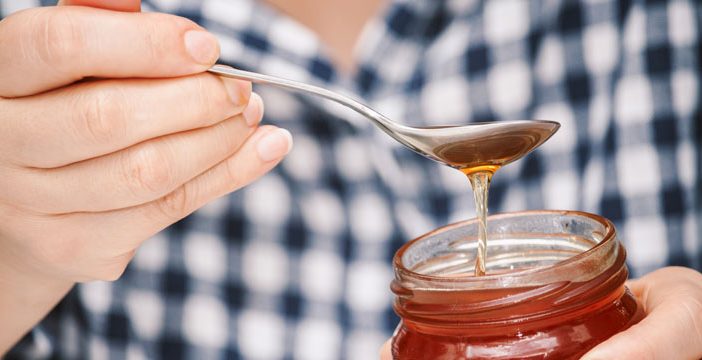
- 1 tbsp of honey
- 1 tbsp of sugar in a small amount of water
- Hard candy such as 6 Life SaversTM or 2 rolls of Rockets candy
For treating Level 3 hypoglycemia if you are conscious:
- take 20 grams of fast-acting sugar. For example, you could choose 1 tbsp and 1 tsp of honey or sugar, 5 glucose tablets, or 1 cup of juice or regular pop.
For treating Level 3 hypoglycemia in someone who is unconscious:
- spray 3 mg glucagon in the person’s nose or inject 1 mg glucagon under the skin or into the muscle.

Download Hypoglycemia Quick Card
How quickly should fast-acting carbs raise blood sugar?
When treating hypoglycemia, you want your treatment to work quickly to bring your blood sugar up to a safe level. Your blood sugar should be above 4 mmol/L within 15 minutes of treatment.
What should you do if your blood sugar is still low after treating it?
It is important to retest your blood sugar in 15 minutes to make sure the treatment worked and that your blood sugar rose to a safe level (above 4 mmol/l). If it is still less than 4 mmol/L when retesting, retreat with a fast-acting sugar. You can use the same treatment or a different fast-acting sugar, but the goal is to safely raise your blood sugar above 4mmol/L.
Are glucose tablets better than juice or candy for treating hypoglycemia?
Glucose tablets are just one of several different treatment choices. Glucose tablets work similarly to juice or other recommended candy (e.g., 6 Life SaversTM, 2 packets of Rockets candy).
Avoid using glucose gel to treat hypoglycemia as it does not work as quickly as the other options recommended above.
Which foods should you avoid when treating hypoglycemia?
Treating hypoglycemia with a regular snack or meal is not an appropriate option as it does not raise your blood sugar quickly enough. Instead, focus on getting a simple sugar on its own to help raise your blood sugar to a safe level.
How should fast-acting carbs be used differently for children, adults and older adults?
Regardless of age, taking the recommended amount of fast-acting sugar when treating hypoglycemia is advised. Be sure to carry a treatment option that is suitable for the person’s age and ability to swallow. For example, a juice box may be a safer treatment for a young child and for those who have trouble chewing (i.e, denture wearers or those with braces etc.)
How can you prepare a fast-acting carb kit for home, work and travel?
If you are on insulin or any of the other oral medications that may cause hypoglycemia, be prepared by carrying a hypoglycemia treatment kit with you. Use a Ziplock or other small bag to carry enough glucose for two or more treatments (e.g., glucose tablets, Life SaversTM, Rockets candies) as well as a follow-up snack (e.g., granola bar or trail mix). This kit can be carried in your purse, backpack and/or vehicle. It is also recommended to have a hypoglycemia treatment kit with you at work or while exercising. Another option is to buy a treatment holder keychain for glucose tablets that attach to your keys.
Keeping a treatment option, such as a juice box, by your bedside table is also a good idea so you can easily treat hypoglycemia that occurs at night.
Not only can you use a snack like a granola bar or trail mix as your post hypoglycemia treatment snack, but you can also use it to prevent hypoglycemia before it occurs.
If you are on insulin or medications known to cause hypoglycemia, consider asking your healthcare provider for a prescription for Baqsimi®, a nasal spray that can help raise your blood sugars. Baqsimi® is meant for a caregiver or bystander to use when you are unable to treat hypoglycemia yourself (for example, you became unconscious from a Level 3 hypoglycemia event).
Your 3-step action plan
Today: Place fast-acting sugar (e.g., glucose tablets, juice box, Life SaversTM) in a variety of spots including your bag/pocket, vehicle, workout area and bedside table.
This week: Hypoglycemia may affect your ability to think clearly. Having a quick reference, such as this one, hung on your fridge or a picture on your phone can remind you of the proper treatment steps, so you treat hypoglycemia correctly and get your blood sugar back in the safe zone.
Make an appointment with your healthcare provider: If you are on a medication that can cause hypoglycemia ask about a prescription for Baqsimi® which can be used to treat severe, Level 3 hypoglycemia.
When dealing with hypoglycemia, it is important to be prepared. But if hypoglycemic events are occurring regularly, it’s also important to determine the cause of them. If hypoglycemia is related to your diabetes medications, your treatment plan or medication dose may need to be adjusted. If it is linked to missed meals or increased activity, strategies can be implemented to help prevent future episodes. If you are experiencing hypoglycemia, please reach out to your healthcare provider or diabetes team about ways to reduce your risk going forward.